South Sudan has postponed its first national elections since independence, moving presidential and parliamentary voting to February 11, 2027, in another setback to the country's long-delayed political transition.
The National Elections Commission announced the revised timetable on Saturday, November 14, replacing the previously scheduled December 22, 2026, election date.
The commission did not provide a specific reason for the postponement.
Josephine Achiro Fortelo, a commissioner and spokesperson for the electoral body, told Reuters that the new timetable followed consultations with relevant stakeholders.
The decision comes as South Sudan continues to face political tensions, insecurity and concerns about whether the conditions necessary for credible elections are in place.
The country gained independence from Sudan in July 2011 but has yet to conduct national elections. Its planned first vote has been postponed repeatedly, with the electoral process complicated by years of conflict and disputes over the implementation of peace agreements.
A civil war that began in 2013 devastated the country before a 2018 peace agreement established a framework for power-sharing and political transition.
Although the agreement formally ended the conflict, violence between rival communities and political factions has continued.
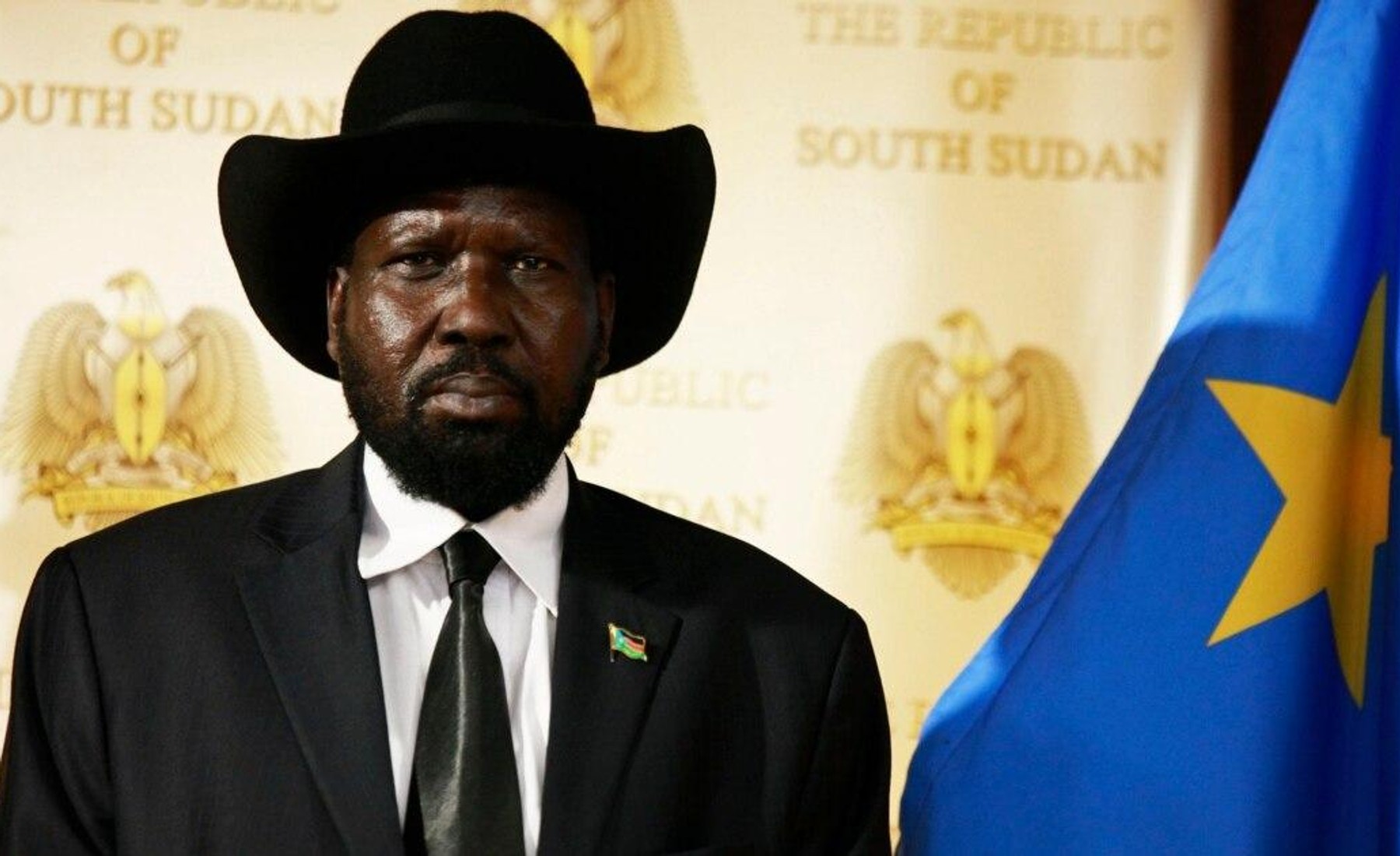
The country's political situation has become increasingly fragile amid tensions involving President Salva Kiir and his former deputy, Riek Machar.
In September, Kiir dissolved the transitional unity government and appointed a caretaker administration, a development that raised further concerns about the future of the peace process.
United Nations human rights experts have warned that South Sudan lacks important safeguards and conditions required for peaceful and credible elections.
The latest electoral calendar provides for voter registration between November 14 and November 28, followed by a campaign period running from December 27 until February 9.
The commission says thousands of registration centres have been established across the country, although concerns remain over access, documentation and security.
The postponement adds pressure on South Sudanese authorities to demonstrate that the additional time will strengthen preparations rather than prolong political uncertainty.
For a country that has waited more than 15 years to hold its first national elections, the credibility and inclusiveness of the eventual vote will be as important as the date on which it takes place.