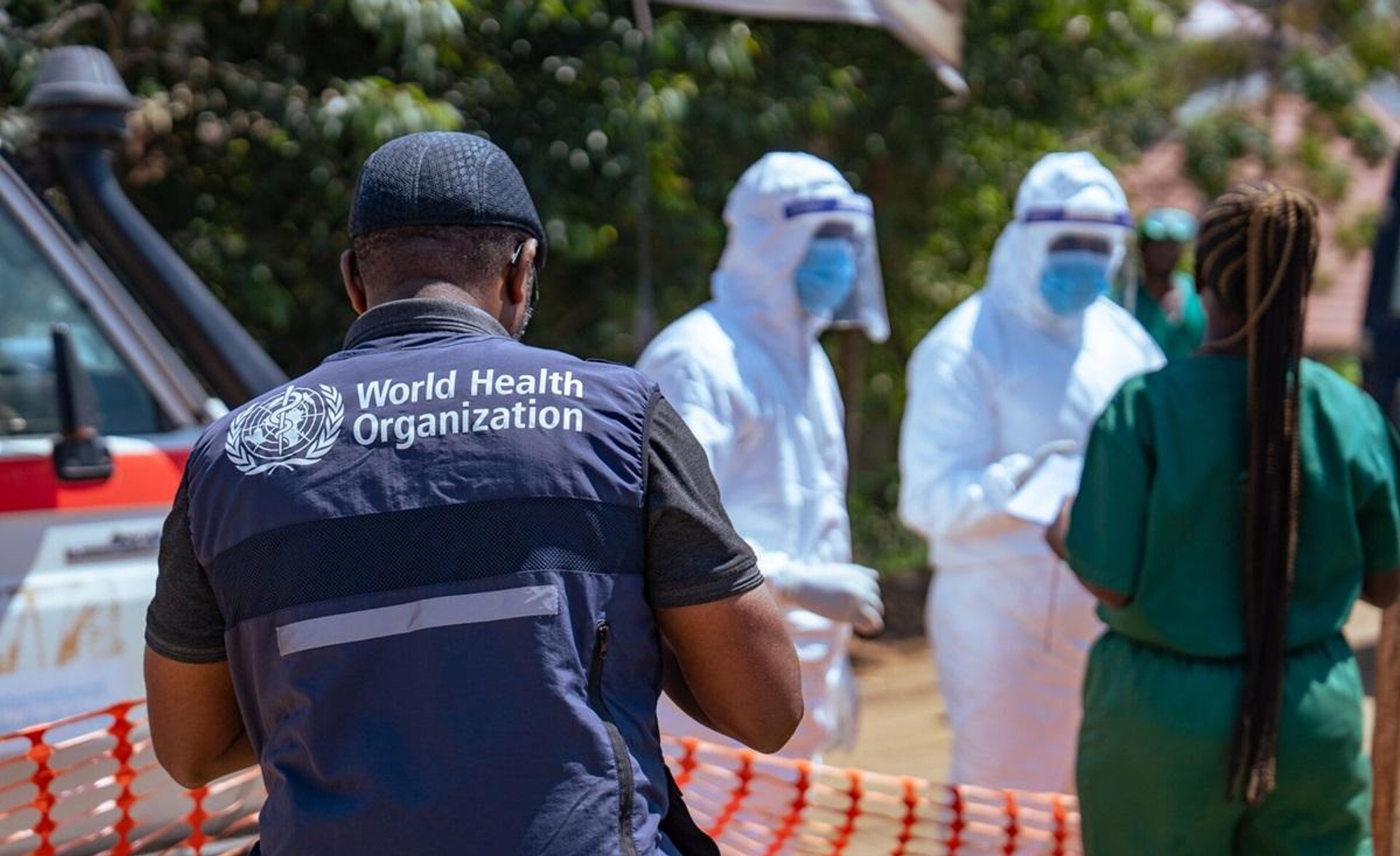
The Ebola outbreak in the Democratic Republic of the Congo has surpassed 11,000 cases and 5,400 deaths, according to the World Health Organization, as health authorities struggle to contain the disease six months after the emergency began.
In an update issued on Saturday, November 14, WHO said the outbreak, caused by the Bundibugyo virus, had spread to 67 health zones across eight provinces, making it the country's largest recorded Ebola outbreak.
Despite progress in slowing transmission in some of the earliest affected communities, between 400 and 500 new cases are still being reported each week.
The continuing spread has placed enormous pressure on healthcare services already weakened by armed conflict, displacement and limited access to essential medical supplies.
Children have been particularly vulnerable. According to WHO, they account for more than a quarter of confirmed infections and approximately one-third of deaths.
The organisation also reported that seven in every ten infected children under the age of five had died, highlighting the difficulties of early diagnosis and access to treatment.
The outbreak began in May and has expanded beyond its initial centres in eastern Congo.
Health authorities have faced major obstacles reaching communities in conflict-affected areas, where insecurity and damaged infrastructure can prevent patients from receiving timely care.
Associated Press reported on Sunday that gaps in contact tracing and surveillance remain serious challenges, with many infections occurring outside established monitoring systems.
The report also described concerns over delayed payments to healthcare workers and questions surrounding the distribution of international emergency funding.
WHO said efforts to bring medical services closer to affected communities had produced progress, but continued displacement and humanitarian needs were allowing the virus to spread into additional areas.
The outbreak has also raised concerns beyond Congo's borders.
Earlier WHO updates confirmed imported cases in Kenya and Nigeria, underscoring the importance of surveillance, laboratory testing and coordinated regional responses.
The organisation has designated the outbreak a Public Health Emergency of International Concern.
Ebola is transmitted through direct contact with the blood or other bodily fluids of an infected person, or contaminated materials. It is not ordinarily spread through casual airborne exposure.
Early detection, isolation, supportive medical care, safe burial practices and contact tracing remain central to controlling transmission.
The latest figures represent a substantial increase from the 10,668 confirmed cases and 5,198 deaths reported by WHO as of November 3.
International health agencies have called for sustained support for frontline services and improved access to communities affected by violence.
For Congo and neighbouring countries, the immediate challenge is to reduce new infections while ensuring that patients can receive treatment before the disease progresses.
The latest assessment makes clear that the emergency remains far from contained.