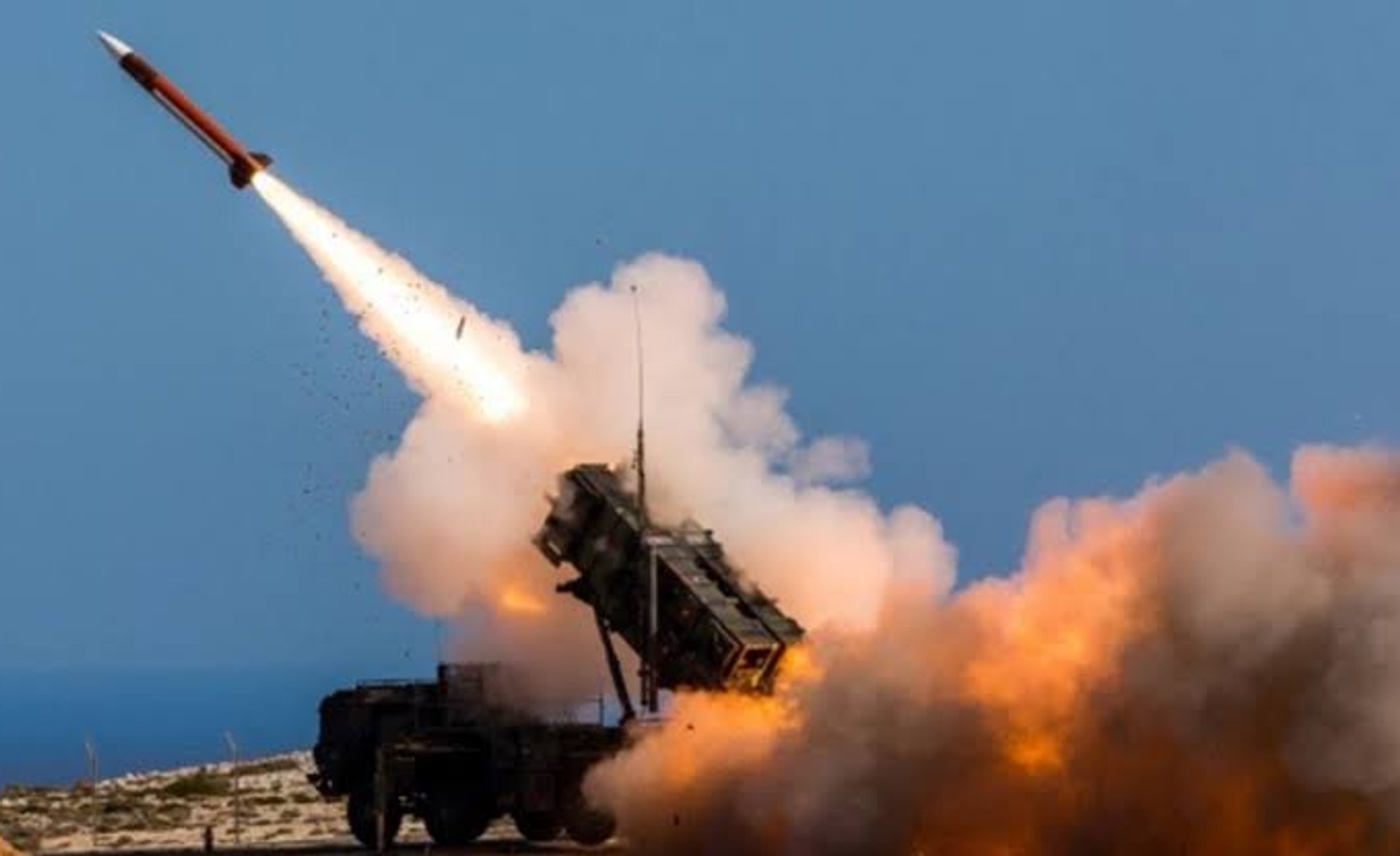
Saudi Arabia's air defences intercepted two ballistic missiles launched towards Riyadh early Sunday, November 15, according to the Saudi-led coalition fighting Yemen's Houthi movement.
The coalition also reported intercepting drones over the kingdom's Eastern Province, a major centre of Saudi Arabia's oil and gas industry.
Coalition spokesman Major General Turki al-Maliki announced the missile interceptions as the country faced another wave of aerial threats amid intensifying hostilities with the Houthis.
Arab News reported that a civil defence warning was issued in Riyadh shortly after 4 a.m. local time, followed by explosions heard in the capital. Authorities subsequently issued an all-clear notification.
The coalition attributed the missiles to the Iran-aligned Houthi movement, which controls Yemen's capital, Sanaa, and significant parts of the country's north.
Accounts differed over the number of drones destroyed in the Eastern Province. Reuters and Arab News reported three, while Anadolu Agency reported two.
The discrepancy had not been resolved at the time of publication.
The latest interceptions follow a series of attacks on Saudi infrastructure, including airports, ports and facilities associated with state energy company Saudi Aramco.
An attack earlier in November damaged an Aramco administrative building in Riyadh's financial district. The company's facilities in the Eastern Province have also faced attacks during the recent escalation.
Saudi Arabia has responded with airstrikes against Houthi positions in Yemen, raising concerns about a further expansion of the conflict.
The fighting has increased pressure on civilian infrastructure and transport networks, while renewed threats to Saudi energy facilities have attracted international attention.
The United States Embassy in Riyadh issued a security advisory on Saturday, urging Americans in Saudi Arabia to exercise heightened vigilance amid the risk of further attacks.
There was no independently verified report of casualties from Sunday's missile interceptions in the sources reviewed.
The incident underscores the continued instability along the Saudi-Yemeni border and the wider security risks facing the Gulf region.