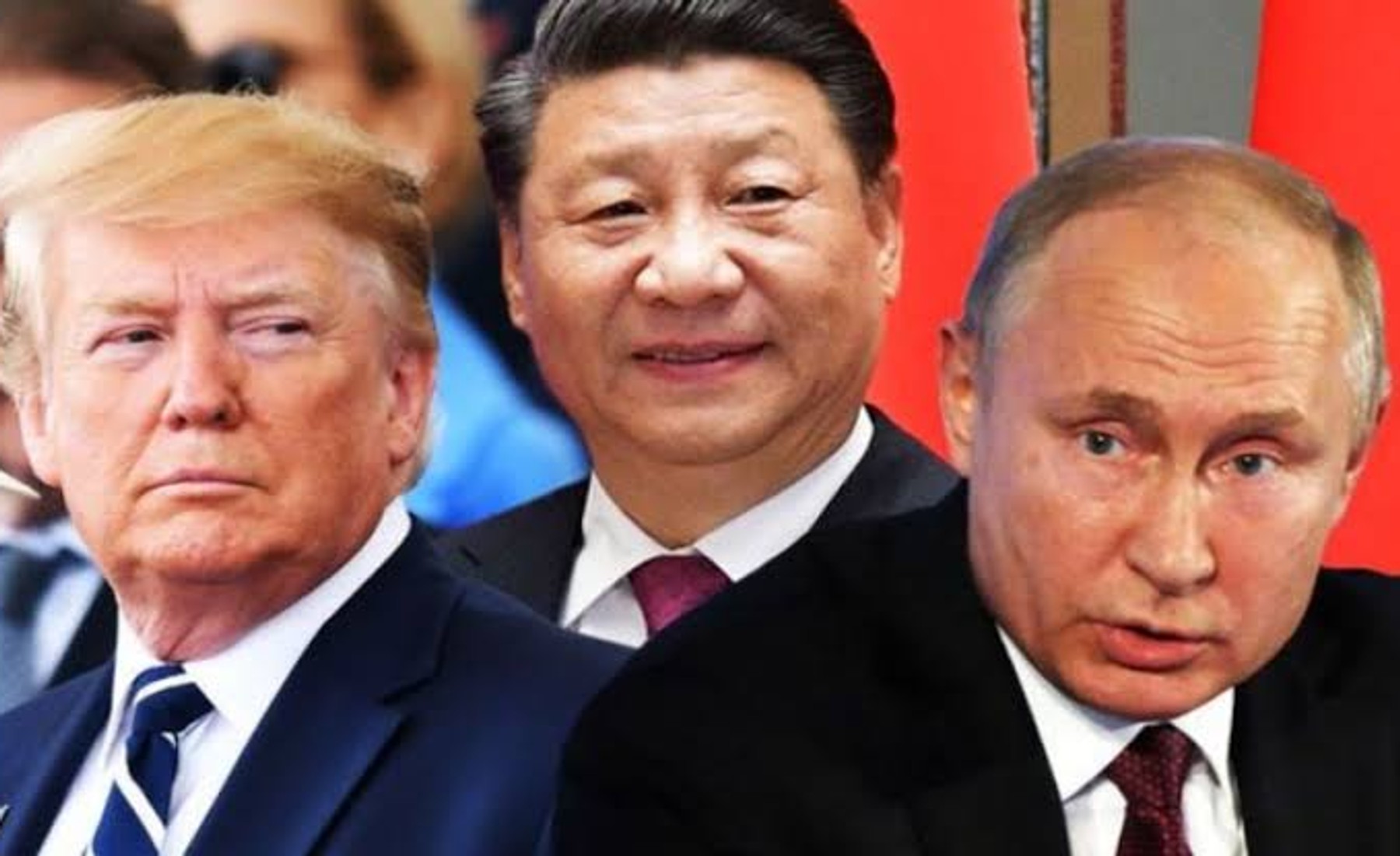
The leaders of the United States, China and Russia are preparing to meet together next week in an unprecedented diplomatic gathering that could shape discussions over nuclear weapons and some of the world's most pressing security disputes.
The White House has confirmed that President Donald Trump will meet Chinese President Xi Jinping and Russian President Vladimir Putin on the sidelines of the Asia-Pacific Economic Cooperation summit in Shenzhen, China, on Thursday, November 19.
The meeting would bring the three leaders together for their first trilateral talks, placing the world's most powerful nuclear states at the same negotiating table at a time of heightened geopolitical tension.
The planned summit comes nine months after the New Strategic Arms Reduction Treaty, the last major nuclear arms control agreement between Washington and Moscow, expired in February.
Trump has previously called for a replacement agreement that would include China, whose nuclear arsenal is substantially smaller than those of the United States and Russia but has been expanding.
Beijing has shown little interest in joining an arrangement based on the same limitations as the two larger nuclear powers.
A senior US administration official cautioned that the meeting should not be viewed as an occasion for an immediate agreement, describing it instead as an opportunity to begin discussions.
The White House has indicated that the war involving Iran and broader nuclear security issues are among the subjects Trump intends to raise.
Russia's continuing war in Ukraine also forms part of the diplomatic backdrop, although American officials have suggested it may not be a central topic of the trilateral discussions.
Ukrainian President Volodymyr Zelenskyy has expressed concern about the possibility of major powers discussing his country's future without direct Ukrainian participation.
The Kremlin had acknowledged the possibility of a three-way meeting in October, but said at the time that no formal arrangements or agenda had been agreed.
The latest White House confirmation moves the proposal closer to a scheduled diplomatic event.
The gathering will take place during APEC, a forum normally focused on trade and economic cooperation across the Asia-Pacific region.
Its significance could extend well beyond the summit's economic agenda, given the countries' competing positions on international security, military technology and global influence.
Analysts remain cautious about the prospects for a breakthrough. The three governments hold sharply different positions on nuclear arms control and several regional conflicts.
The White House has not announced any agreement expected to emerge from the talks.
For now, the planned meeting represents an important diplomatic opening rather than a negotiated settlement.
Its outcome will depend on whether the leaders can move beyond preliminary discussions and establish a framework for further negotiations.