
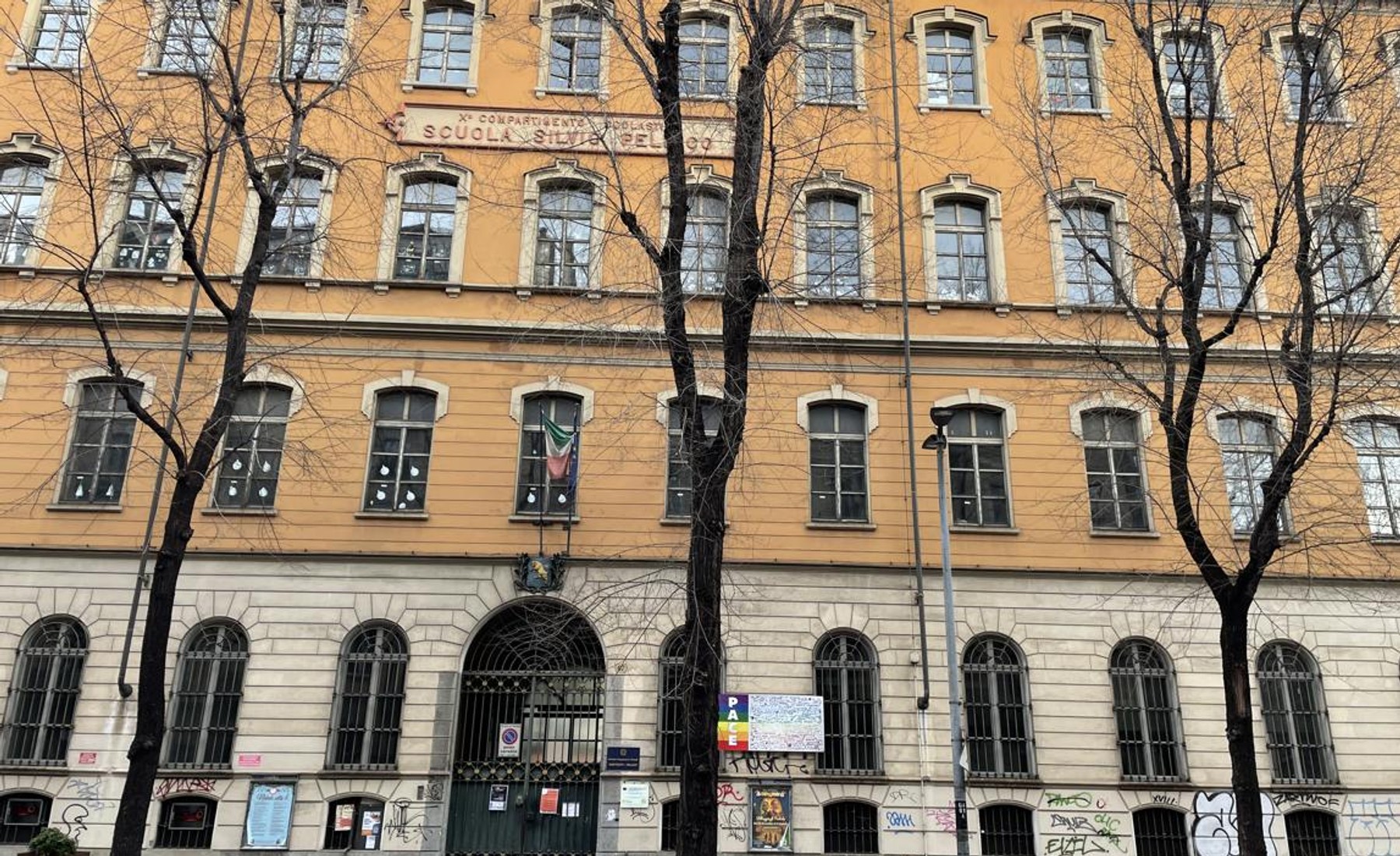
More than 300 schools across Italy were evacuated on Wednesday after receiving bomb threats by email, triggering a nationwide security response and prompting investigations into similar warnings sent to educational institutions in Britain and Ireland.
The alerts caused widespread disruption as students and teachers were moved out of classrooms while police carried out precautionary checks.
Italian Education Minister Giuseppe Valditara said approximately 300 schools had been affected, warning that the figure could increase as additional reports reached authorities.
The threats were received by schools in several regions, including Lazio, Tuscany and Piedmont, with evacuations reported in Rome, Florence, Turin and other cities.
Some parents were asked to collect their children, while other students remained in designated safe areas under the supervision of school staff.
Prime Minister Giorgia Meloni said there was no indication of a concrete danger to schools and described the messages as an apparent attempt to generate fear and public alarm.
She convened a meeting of government ministers as police and intelligence authorities investigated the source of the emails.
The anonymous message also reportedly contained a threat directed at Meloni herself, according to Italian media.
Authorities have not publicly established who sent the messages or whether they were part of an organised operation.
The disruption extended beyond Italy.
Police in Northern Ireland said more than 300 schools had received threatening emails, while similar messages were reported in Scotland and the Republic of Ireland.
Police in the affected UK and Irish jurisdictions assessed the threats as not credible, although some schools took precautionary measures.
Northern Ireland's Police Service said its investigation was continuing and acknowledged the concern caused among pupils, parents and school communities.
Italian authorities were also examining whether the emails were connected to a recent series of threats targeting European institutions, including airlines and broadcasters.
The incidents have heightened concern about the potential for anonymous threats and digital disruption to interfere with essential public services.
However, no evidence has been established linking Wednesday's school threats to a particular foreign government, intelligence service or criminal organisation.
Officials have cautioned against drawing conclusions about responsibility while investigations remain underway.
The scale of the evacuations has nevertheless exposed the difficulties authorities face when responding to simultaneous security warnings involving hundreds of schools.
Even when threats are ultimately judged to be false, emergency procedures can require evacuations, police deployments and extensive communication with families.
By Wednesday afternoon, authorities had reported no confirmed explosive devices or injuries connected to the Italian alerts.
Investigators are now working to identify the source of the messages and determine whether the incidents across the affected European countries were coordinated.
The developments represent one of the most widespread school security disruptions reported in Europe this week, with officials seeking to reassure families while maintaining precautions.