The Ebola outbreak in the Democratic Republic of the Congo has surpassed 11,000 confirmed cases, with 5,387 deaths recorded, making it the deadliest outbreak of the disease in the country's history.
Figures released by Congolese health authorities and reported on Wednesday, 11 November, show that 11,042 people have been infected since the outbreak was declared in May.
The latest figures place the epidemic behind only the 2014–2016 West African outbreak in the history of recorded Ebola epidemics.
The disease has spread across eight of Congo's 26 provinces, with Ituri and North Kivu among the hardest-hit areas.
Ituri accounts for the majority of reported infections, while North Kivu has emerged as an important centre of continuing transmission.
The outbreak involves the Bundibugyo species of Ebola virus, for which no specifically approved vaccine or treatment is currently available.
Health workers have struggled to contain the disease amid armed conflict, damaged infrastructure, limited medical resources and difficulties reaching affected communities.
In some areas, insecurity has prevented medical teams from safely accessing patients or tracing people who may have been exposed to the virus.
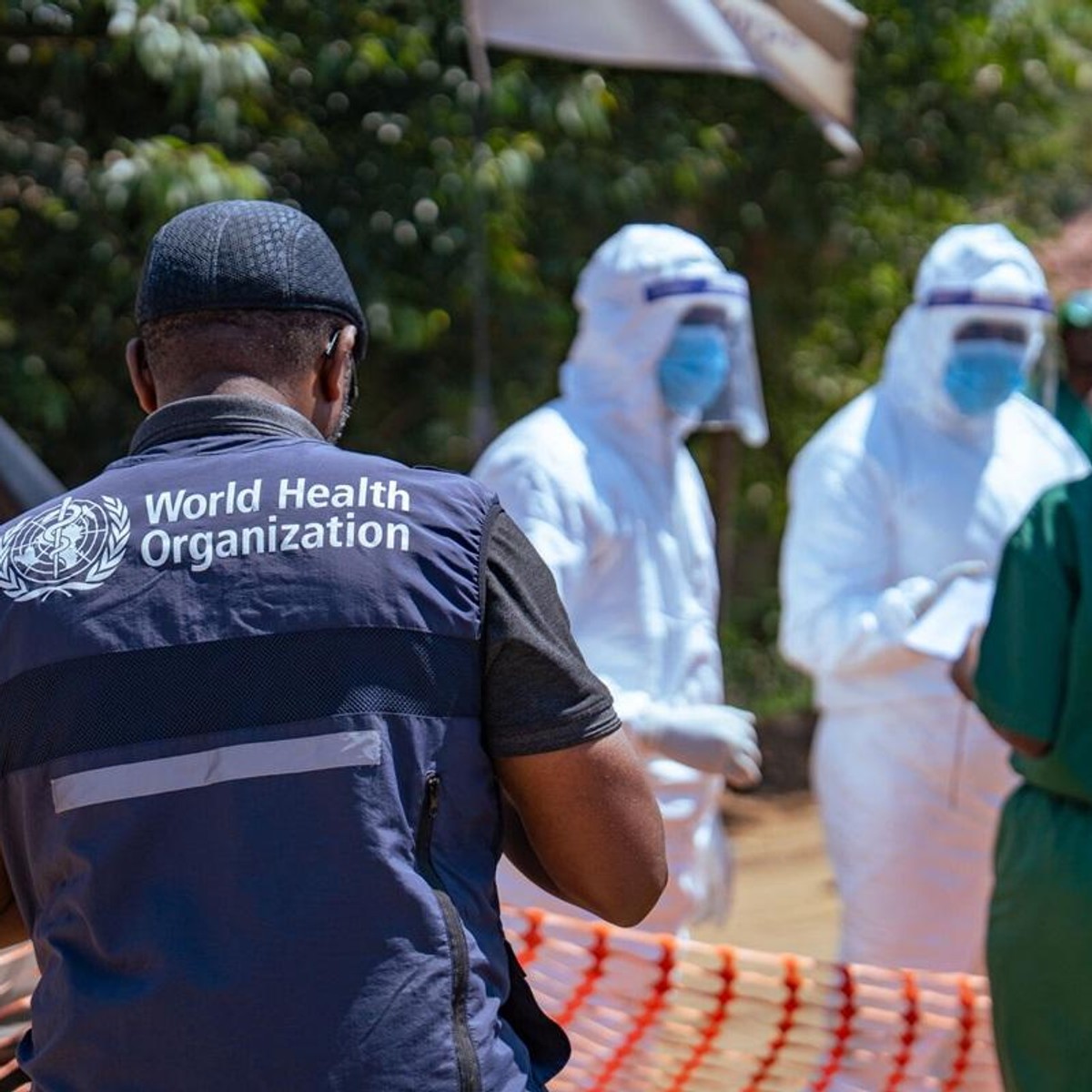
The World Health Organization has warned that the continuing spread of the disease presents a serious challenge to public-health systems already under considerable pressure.
In its 6 November update, the WHO reported 10,668 confirmed cases and 5,198 deaths as of 3 November, demonstrating the rapid growth of the outbreak before the latest national figures were released.
The European Centre for Disease Prevention and Control subsequently recorded 10,990 cases and 5,354 deaths as of 9 November, based on earlier reporting data.
The latest Congolese figures show that infections and fatalities have continued to rise.
The epidemic has also affected other African countries through imported infections.
Kenya reported nine confirmed cases linked to an infected traveller, while Nigeria identified an imported case in October.
The presence of infections outside Congo has prompted additional surveillance and preparedness measures, although the scale of transmission differs considerably between affected countries.
The WHO has emphasised the importance of early diagnosis, contact tracing, safe patient care and community engagement in controlling the outbreak.
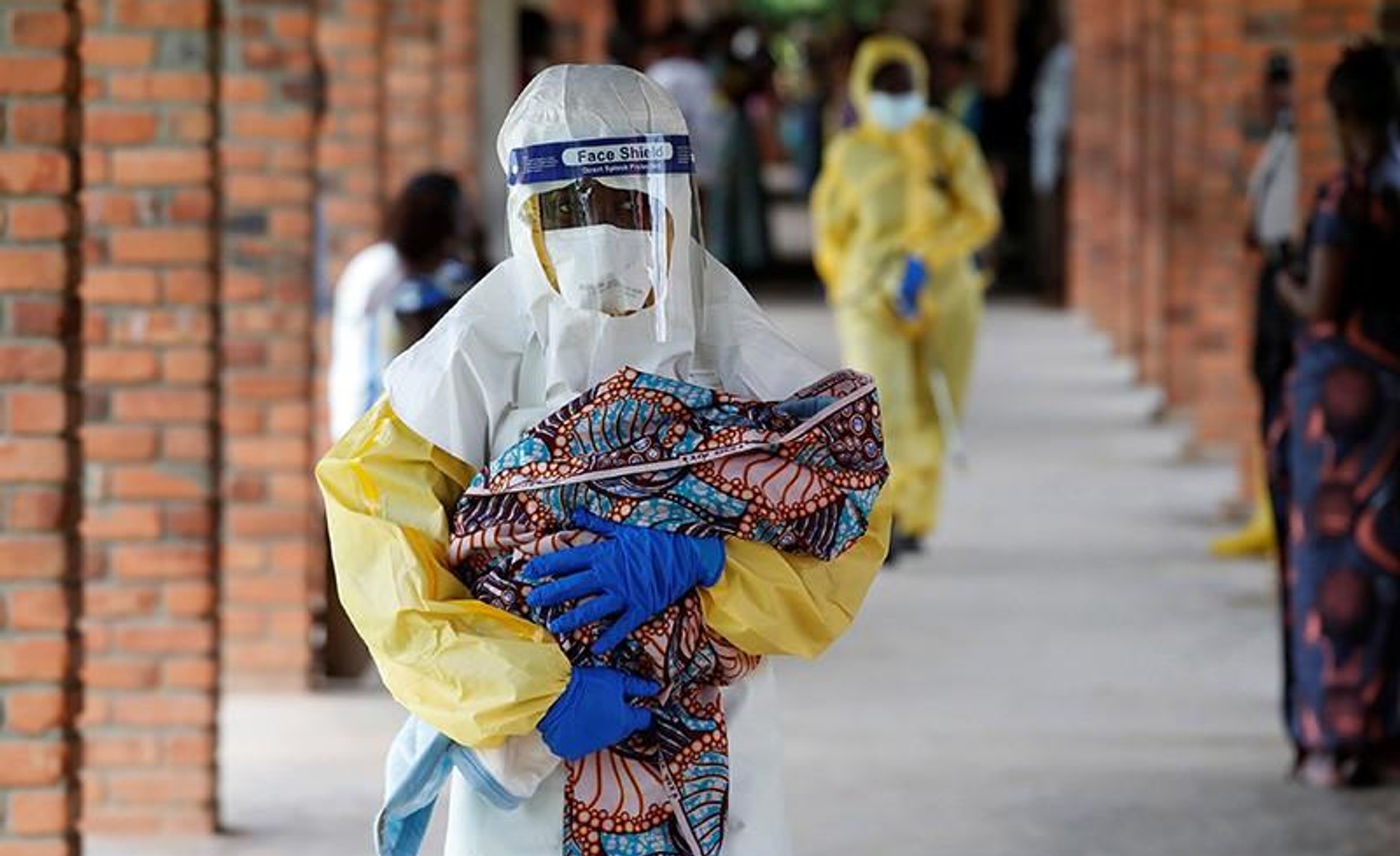
One of the greatest difficulties has been the number of people dying outside treatment facilities, where opportunities for early medical intervention and infection prevention may be limited.
The disease has also placed healthcare workers at risk, while insecurity in eastern Congo continues to disrupt medical operations.
Researchers are working to evaluate potential vaccines against the Bundibugyo virus, but no vaccine has yet been specifically approved for preventing disease caused by this species.
The outbreak has intensified concerns about the capacity of humanitarian organisations and national health authorities to respond to major epidemics in areas affected by prolonged conflict.
For Congo, the latest figures mark another devastating milestone in an emergency that has already claimed thousands of lives.
Health authorities continue to focus on identifying infections, protecting medical personnel and preventing further transmission within communities and across borders.
The coming weeks will be critical in determining whether intensified response efforts can slow the outbreak or whether the number of infections will continue to climb.