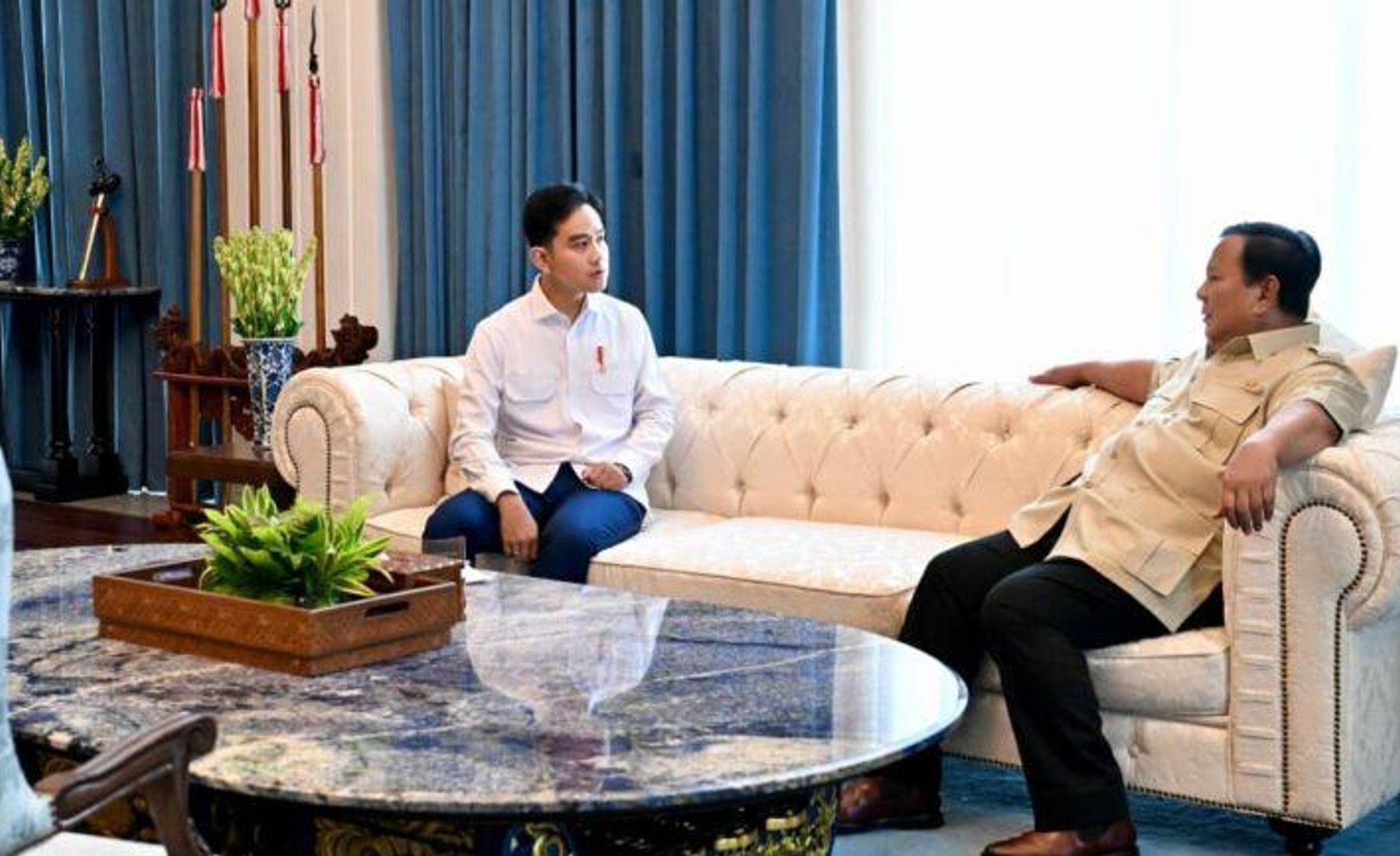
Indonesia's parliament will elect a new vice president on December 2 following the resignation of Gibran Rakabuming Raka, a development that has unsettled the country's political leadership and raised questions about the future of its governing alliances.
Ahmad Muzani, speaker of the People's Consultative Assembly (MPR), announced the timetable on Friday, November 13, following consultations among parliamentary leaders and political party representatives.
The assembly is expected to elect, confirm and inaugurate Gibran's successor during the same session.
President Prabowo Subianto will be asked to submit two candidates for the vacant position. A newly established 36-member parliamentary team will examine their qualifications before the assembly votes.
Under Indonesia's constitutional succession procedure, the vice-presidential vacancy must be filled within 60 days. The president has 14 days to submit nominations after receiving the assembly's formal request.
Gibran, 39, resigned on Thursday, November 12, after months of controversy surrounding his educational qualifications and eligibility to hold office.
The former vice president, who is the son of former president Joko Widodo, had faced growing pressure from lawmakers following court rulings questioning whether his overseas secondary-school qualifications met the legal requirements for his candidacy.
Gibran has rejected suggestions that the controversy prompted his departure, describing the decision as personal and intended to protect the government's ability to function.
He maintains that his educational documents are complete and have been submitted to the courts.
Prabowo accepted the resignation and publicly praised Gibran's service, describing his decision as one made in the national interest.
The departure has drawn attention to the relationship between Prabowo and Widodo, whose political support helped secure the governing ticket's victory in the 2024 presidential election.
Political analysts have suggested that Gibran's resignation could deepen divisions between the two camps, although both Gibran and his father have pledged continued support for Prabowo's administration.
The succession process now places responsibility on the president to identify candidates capable of securing parliamentary backing.
Muzani said the assembly intends to complete the process promptly, with the December 2 session scheduled to include the election and inauguration of the new vice president.
No candidates had been formally announced in the reports reviewed.
The appointment will be closely watched for indications of how Prabowo intends to manage political alliances during the remainder of his administration.
Indonesia's next vice president will take office amid economic concerns, scrutiny of government programmes and renewed debate over the country's political institutions.
The December 2 vote will determine who fills the vacancy and could provide an early indication of the direction of Indonesia's governing coalition.