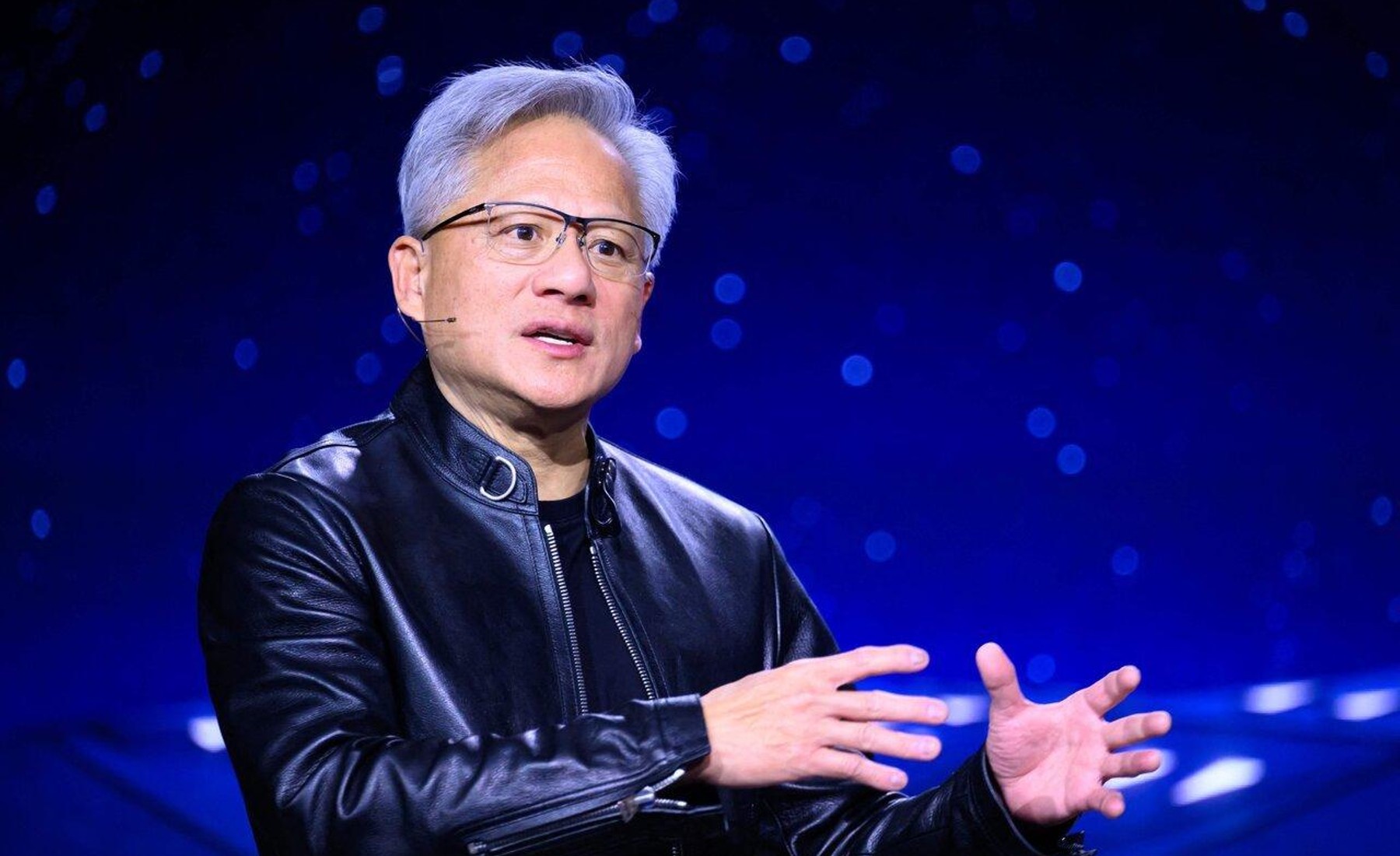
Jensen Huang has resigned as chief executive of Nvidia, ending more than three decades at the helm of the semiconductor company that became one of the most influential businesses in the global artificial intelligence industry.
Nvidia confirmed on Thursday, November 12, that Huang had stepped down as president, chief executive officer and a member of its board with immediate effect.
The company appointed Chief Financial Officer Colette Kress as interim chief executive while its board begins searching for a permanent replacement.
Kress, who joined Nvidia in 2013, will continue overseeing the company's finances during the transition.
Nvidia also appointed longtime director Harvey Jones as its first separate board chair, introducing a new leadership structure following Huang's departure.
The resignation follows intense scrutiny of Huang's personal relationships, including reports of an affair with a Chinese businesswoman suspected by US authorities of intelligence connections.
Huang has reportedly denied knowing of any alleged intelligence ties. The allegations have not been established as findings of criminal wrongdoing, and Nvidia's official leadership announcement did not identify them as the reason for his resignation.
Huang co-founded Nvidia in 1993 and oversaw its transformation from a graphics-chip manufacturer into a leading supplier of the processors used to train and operate advanced AI systems.
Under his leadership, Nvidia became central to the rapid expansion of generative artificial intelligence, supplying technology used by major cloud providers, research organisations and AI companies.
The sudden leadership change has unsettled investors already concerned about the company's governance and the consequences of losing a founder closely associated with its technology strategy.
Nvidia shares fell sharply following the announcement, adding to losses recorded during the preceding period of controversy.
The company has sought to reassure customers and investors that its operations, product development and commercial commitments will continue.
Kress has played a significant role in Nvidia's financial management during its expansion and previously held senior positions at Cisco and Microsoft.
The board said it would consider both internal and external candidates for the permanent chief executive position. No successor has been selected.
The transition comes ahead of Nvidia's scheduled financial results on November 17, when investors are expected to examine the company's performance and seek greater clarity about its leadership.
Huang's departure marks a major change for a company whose products underpin much of the modern AI economy.
The immediate challenge for Nvidia's new leadership will be maintaining customer confidence, preserving its technological position and demonstrating that the business can continue its growth without the executive who shaped its strategy for 33 years.