The European Union has rejected the proposed final agreement at the COP31 climate summit in Antalya, Türkiye, raising the prospect that nearly two weeks of international negotiations could end without a comprehensive political deal.
The objection came during the summit's extended closing proceedings on Sunday, 22 November, after negotiators failed to resolve disagreements over fossil fuels, climate finance and the use of carbon capture technologies.
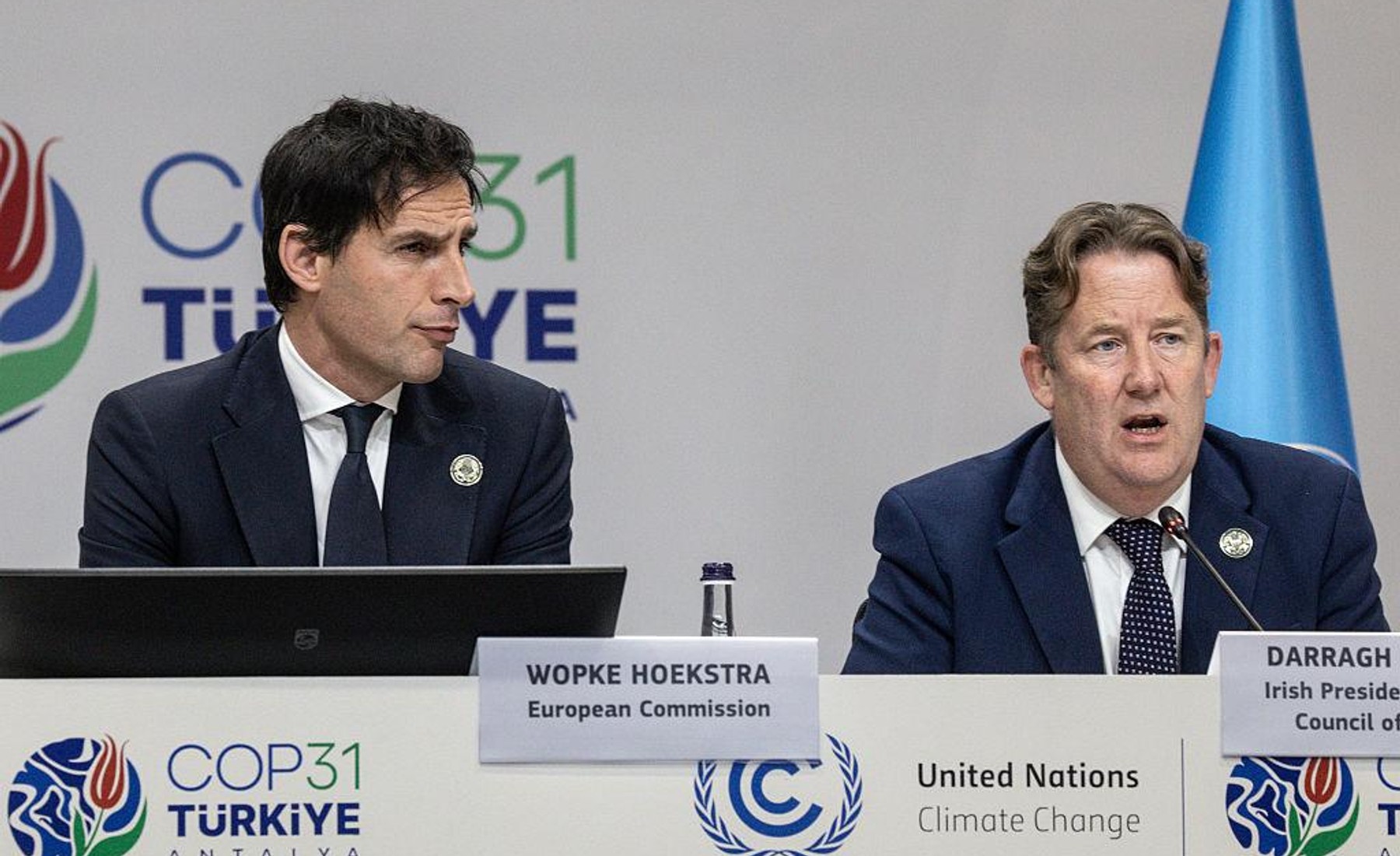
European representatives argued that the proposed Antalya Pact did not adequately reflect climate science or preserve the ambition of previous international commitments. Ireland's climate minister Darragh O'Brien, speaking for the EU, expressed disappointment with the text, while other European governments also opposed the proposal.
The latest draft did not explicitly refer to fossil fuels, although it indirectly referenced the agreement reached at COP28 in Dubai in 2023 to transition away from them. It also proposed expanding electrification and supported carbon capture technologies, which remain contentious among negotiators.
Panama also rejected the proposed agreement, citing concerns about its treatment of fossil fuels and carbon capture. Saudi Arabia, meanwhile, defended keeping a broad range of climate technologies available as part of global emissions-reduction efforts.
COP31 President Murat Kurum urged delegations to find common ground, arguing that a negotiated outcome would require compromise from all sides.
The disagreement has placed the summit under growing pressure. COP31 was originally scheduled to conclude on 20 November, but negotiations continued into Sunday as countries struggled to settle the final wording.
For African countries and other climate-vulnerable economies, the outcome carries particular importance. Developing nations have pressed for stronger financial commitments to help communities adapt to extreme weather and other consequences of climate change.
The European Union's rejection does not, by itself, mean that the conference has formally collapsed. Negotiators could still revise the text or pursue other procedural outcomes.
However, the opposition from several delegations has significantly complicated efforts to secure consensus, leaving the future of the proposed Antalya Pact uncertain.