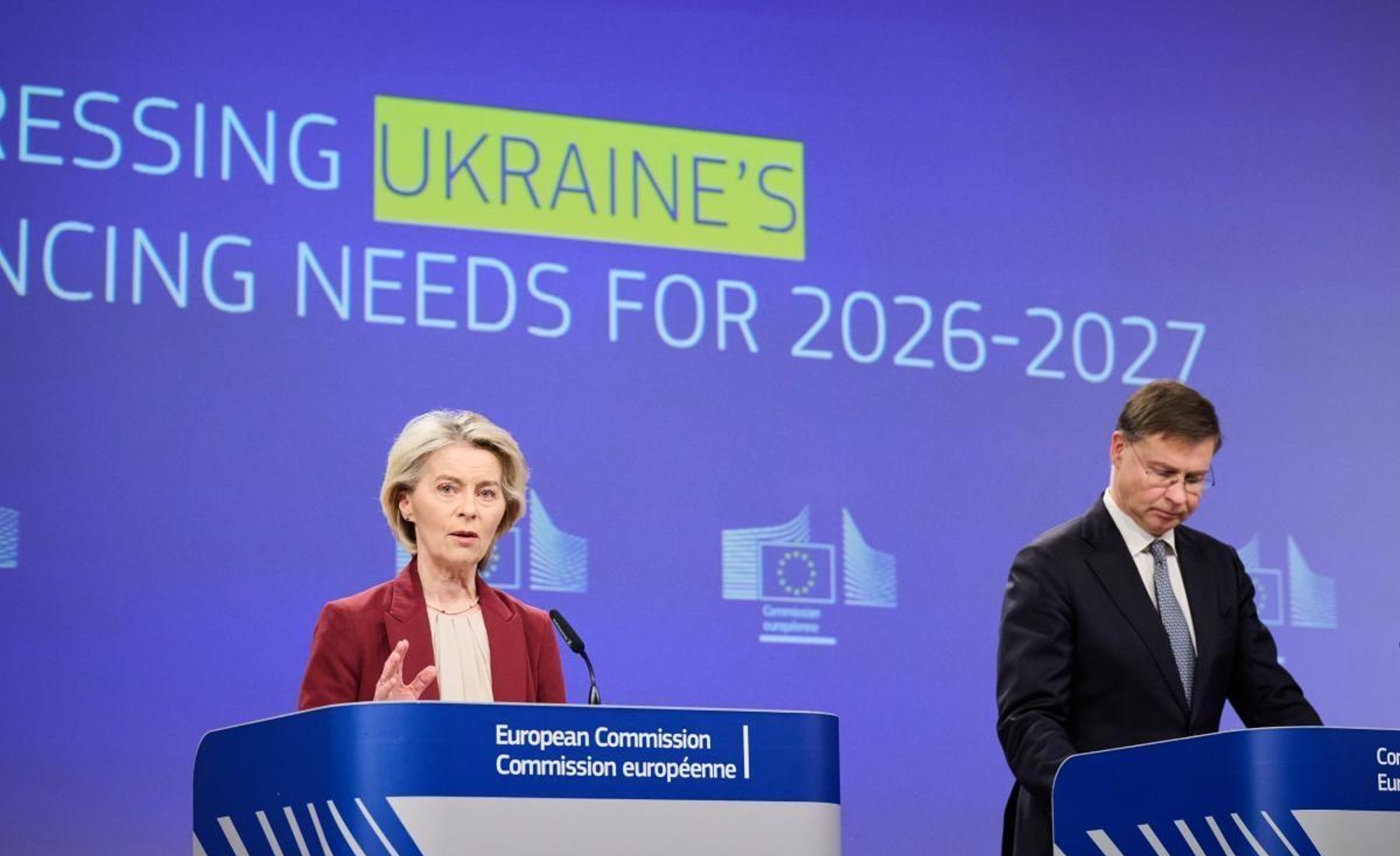
The European Commission has proposed a new €45 billion loan for Ukraine in 2027 as the country faces mounting financial pressure from Russia's continuing invasion and sustained attacks on critical infrastructure.
The proposal, announced in Brussels on Wednesday, November 18, is intended to help Ukraine cover an estimated €70 billion financing shortfall next year while maintaining essential public services and military operations.
European Commission President Ursula von der Leyen said the proposed arrangement would require Ukraine to repay the loan only after Russia provides reparations for damage caused by the war.
Under the plan, up to €25 billion would be allocated to defence-related expenditure, while approximately €20 billion would support Ukraine's wider economy and government budget.
The European Union would raise the financing through borrowing on international capital markets, with other international partners expected to contribute towards the remaining funding gap.
The proposal comes as Russia intensifies attacks on Ukrainian energy infrastructure and other facilities, increasing the financial demands on Kyiv as the conflict approaches its fifth anniversary.
European Economy Commissioner Valdis Dombrovskis said the deterioration in Ukraine's economic conditions, including disruption to Black Sea trade, had increased the need for additional international assistance.
The new financing arrangement would be separate from an earlier €90 billion European Union support programme covering 2026 and 2027.
However, the proposal still requires political and legislative approval. EU governments and the European Parliament must consider the measure before the additional funds can be made available.
The question of financial responsibility has already created divisions within the bloc. Hungary, the Czech Republic and Slovakia previously declined to participate in aspects of the earlier loan programme, raising questions about how the new proposal will be implemented.
Von der Leyen nevertheless expressed confidence that member states could support the initiative, including through arrangements allowing countries opposed to military assistance to direct their contributions towards civilian needs.
Ukrainian President Volodymyr Zelenskyy welcomed the proposal and called for swift approval, as his government seeks predictable financing for its defence and public institutions.
The plan also raises questions about the long-term use of Russian assets immobilised under Western sanctions and how future reparations might contribute to Ukraine's financial recovery.
For European leaders, the proposal represents another attempt to provide Kyiv with greater financial stability while sustaining pressure on Moscow.
The €45 billion package remains a proposal rather than an approved disbursement. Its final structure, financing conditions and implementation will depend on negotiations among European institutions and member states.