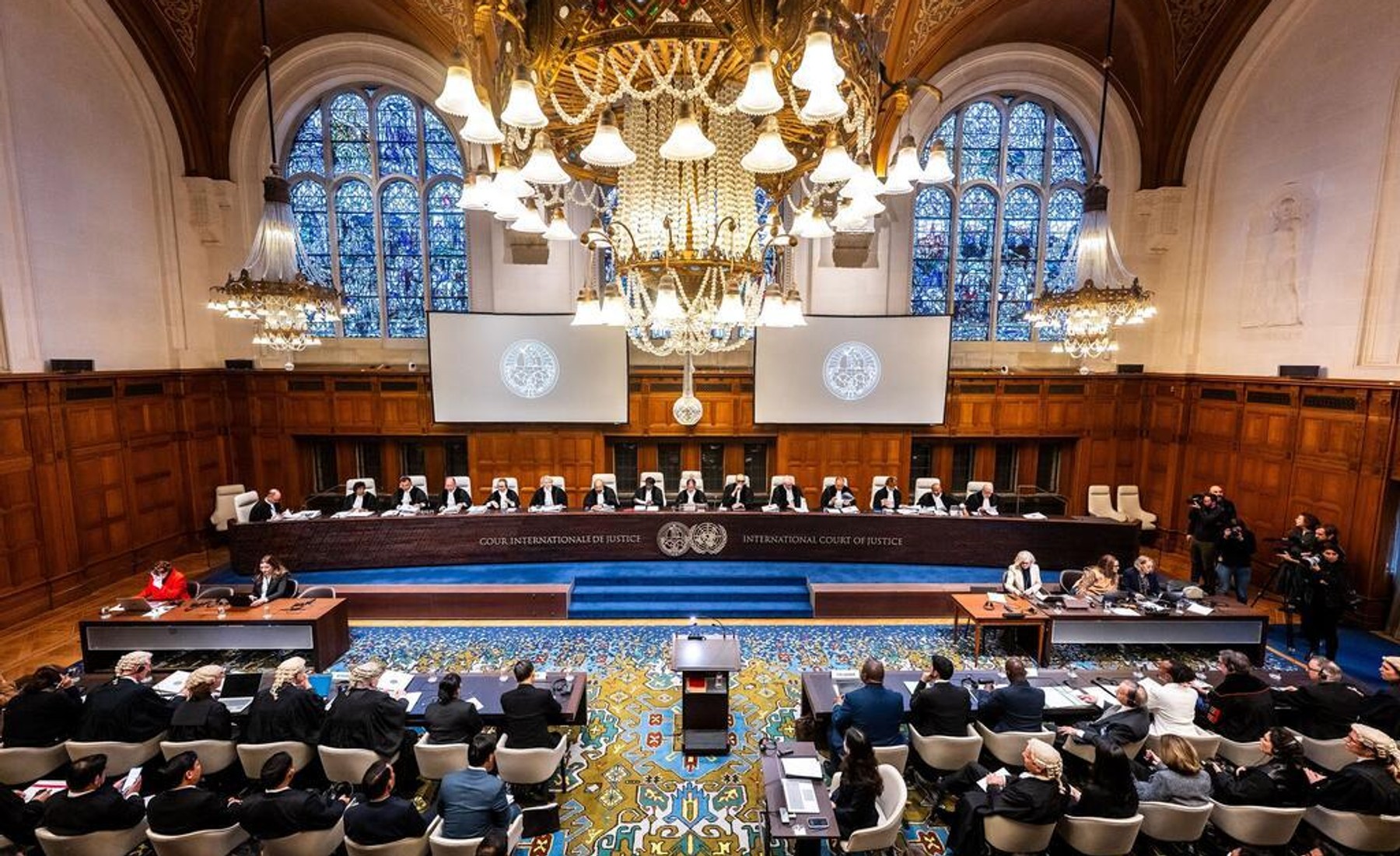
The International Court of Justice has found evidence that Myanmar's military campaign against the Rohingya involved killings, widespread sexual violence and acts carried out with genocidal intent, in a landmark judgment concerning atrocities committed in 2017.
Judges at the United Nations' highest court said Myanmar's security forces killed thousands of Rohingya civilians, subjected members of the minority to sexual violence, committed extreme violence against children and attacked people attempting to escape into Bangladesh.
The court also identified instances in which the conduct of Myanmar's forces demonstrated an intention to destroy part of the Rohingya population. The findings were reported as judges delivered their judgment in The Hague on Thursday, 19 November.
The proceedings stem from a case brought by The Gambia in 2019 under the 1948 Genocide Convention. The West African country accused Myanmar of attempting to destroy the predominantly Muslim Rohingya minority during military operations in Rakhine State.
Myanmar has consistently denied committing genocide, maintaining that its military operations were a response to attacks by Rohingya insurgents.
The 2017 campaign drove more than 730,000 Rohingya into neighbouring Bangladesh, where approximately 1.2 million refugees now live in camps around Cox's Bazar. Many remain unable to return because of continuing insecurity, restrictions on rights and renewed conflict in Myanmar.
The judgment carries considerable significance for international law because the court's assessment of genocidal intent may influence how governments and judges evaluate state responsibility for mass atrocities in other proceedings.
Unlike the International Criminal Court, which prosecutes individuals, the International Court of Justice resolves disputes between states. Its judgments are legally binding, although enforcement can be difficult.
The Gambia has sought accountability, reparations and measures to protect the rights of Rohingya survivors, including conditions for safe return.
The ruling marks an important moment in a legal process that has lasted seven years. Its practical consequences will depend on the court's complete operative orders and the responses of Myanmar and the international community.