Britain has imposed a new round of sanctions on Russia's energy industry, becoming the first country to target all 10 of the country's largest oil producers as European leaders seek to increase pressure on Moscow over its war in Ukraine.
The measures, announced on Thursday, 12 November, include sanctions against Slavneft, alongside restrictions targeting vessels involved in transporting Russian oil and liquefied natural gas, major coal companies and Rosneft's Vostok Oil project.
The British government said the inclusion of Slavneft completed its sanctions coverage of Russia's 10 largest oil producers, following earlier restrictions against companies including Rosneft, Lukoil and Transneft.
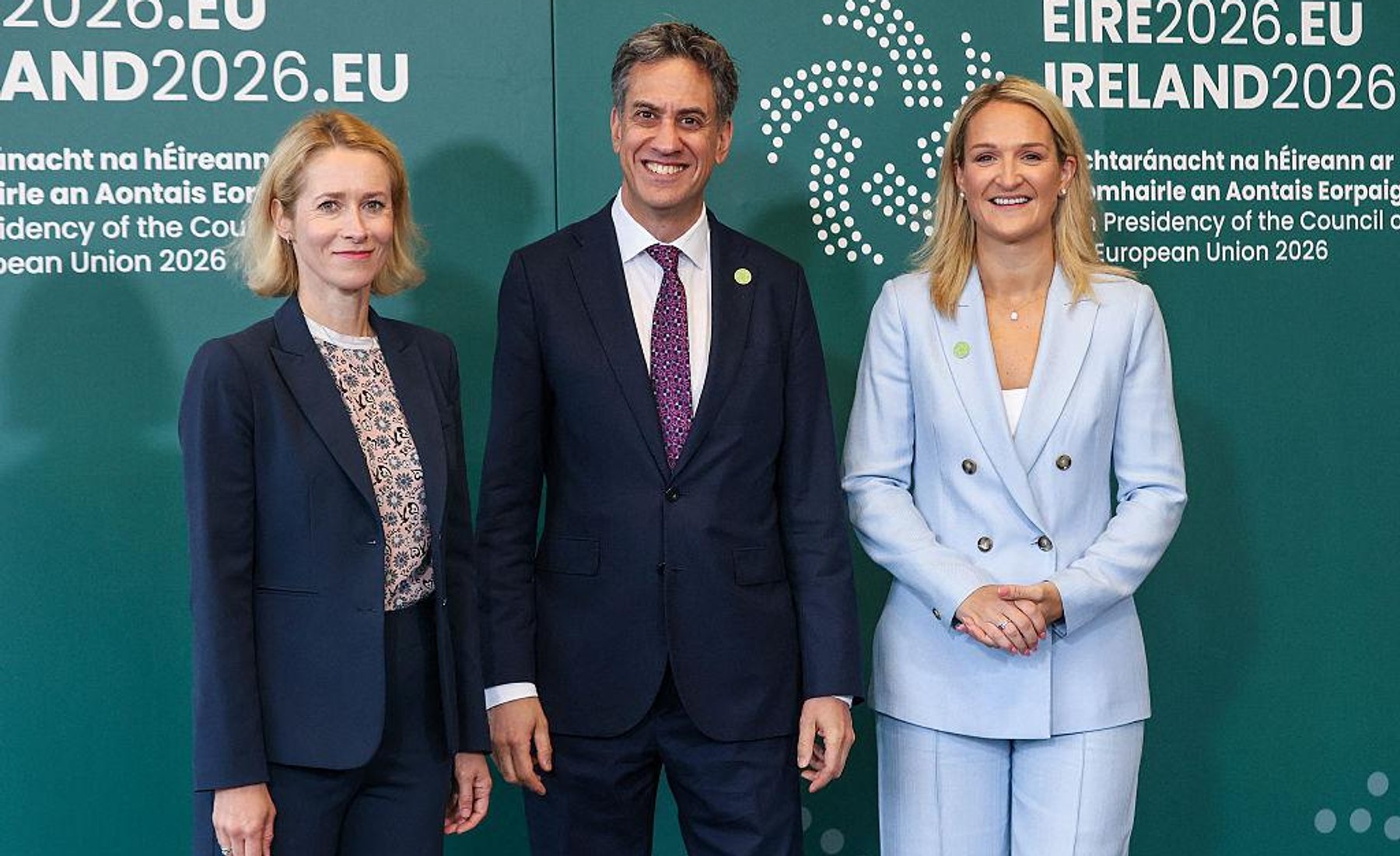
The announcement coincided with Prime Minister Andy Burnham's participation in the European Political Community summit in Dublin, where Ukraine's security and the future of peace negotiations were prominent issues.
Burnham's government said the sanctions were intended to reduce the energy revenues available to Moscow and strengthen international pressure for an end to the conflict.
The latest restrictions extend Britain's efforts to target the financial networks, shipping operations and energy companies that support Russian oil exports.
Russian oil remains an important source of government revenue, making the energy industry a central focus of Western sanctions since the full-scale invasion of Ukraine in February 2022.
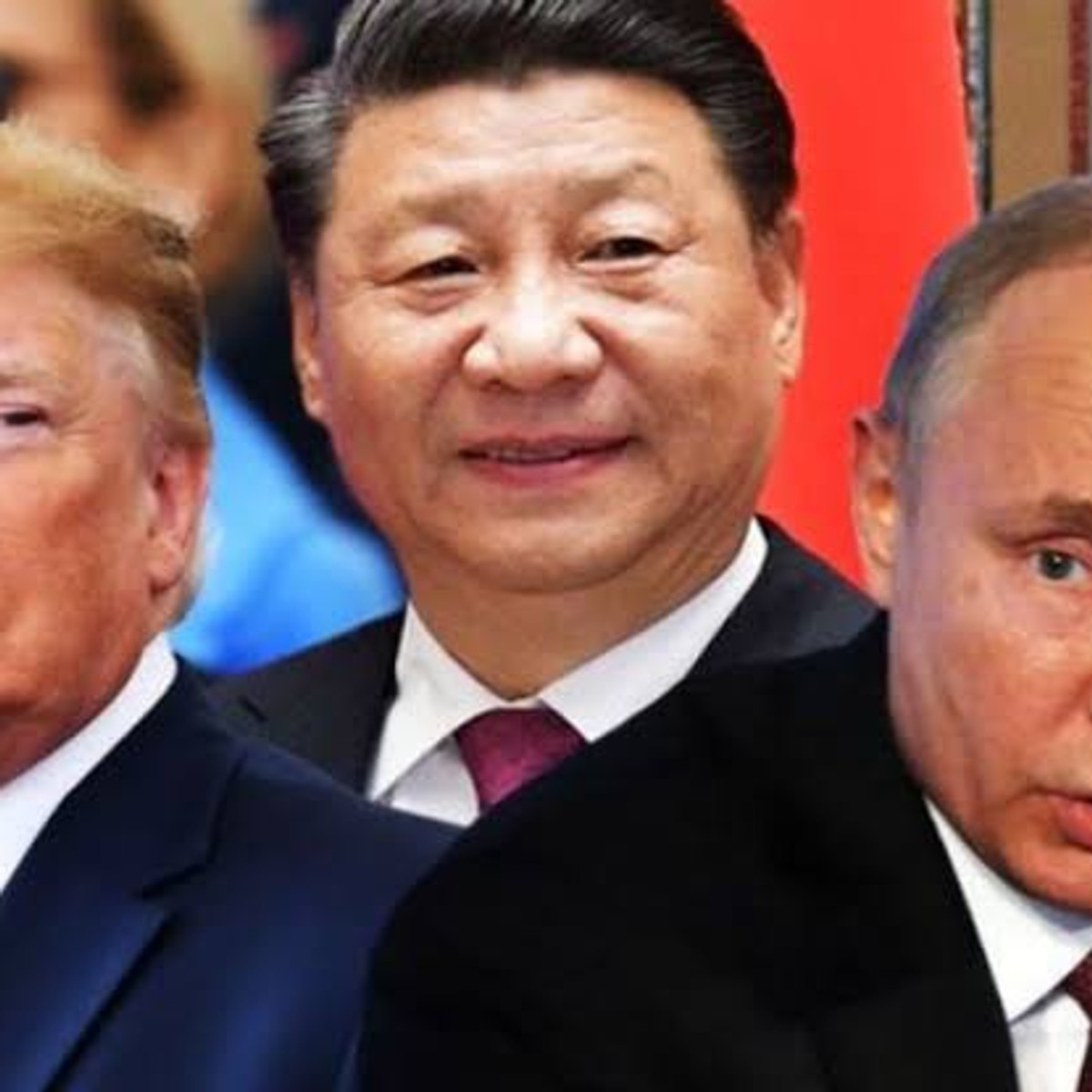
The new measures also come as diplomatic efforts continue between Washington, Moscow and Kyiv. US envoys Steve Witkoff and Jared Kushner travelled to Moscow for talks with Russian President Vladimir Putin following discussions involving American, Ukrainian and Russian representatives in Abu Dhabi.
Although negotiators have reported progress on some issues, major disagreements remain over territory, security guarantees and the conditions for ending the war.
Ukraine has repeatedly rejected demands to surrender territory to Russia, while Moscow has continued to insist on territorial concessions as part of a wider settlement.
European leaders have also argued that any lasting peace arrangement must include Ukraine's participation and address the country's long-term security.
Britain's announcement adds another layer of economic pressure at a sensitive stage in the negotiations. However, the practical effect of the sanctions will depend on enforcement, international cooperation and the ability of Russian companies to maintain access to buyers and transport networks.
There has been no independently established evidence that Thursday's measures have already produced a significant reduction in Russian oil exports or government revenue.
The sanctions nevertheless represent a further expansion of Britain's restrictions on Russia's energy sector as European governments seek to combine diplomatic negotiations with sustained economic pressure.