Britain and the European Union have reached a new agreement aimed at strengthening economic cooperation and easing movement between the two sides, marking a significant development in their relationship following Brexit.
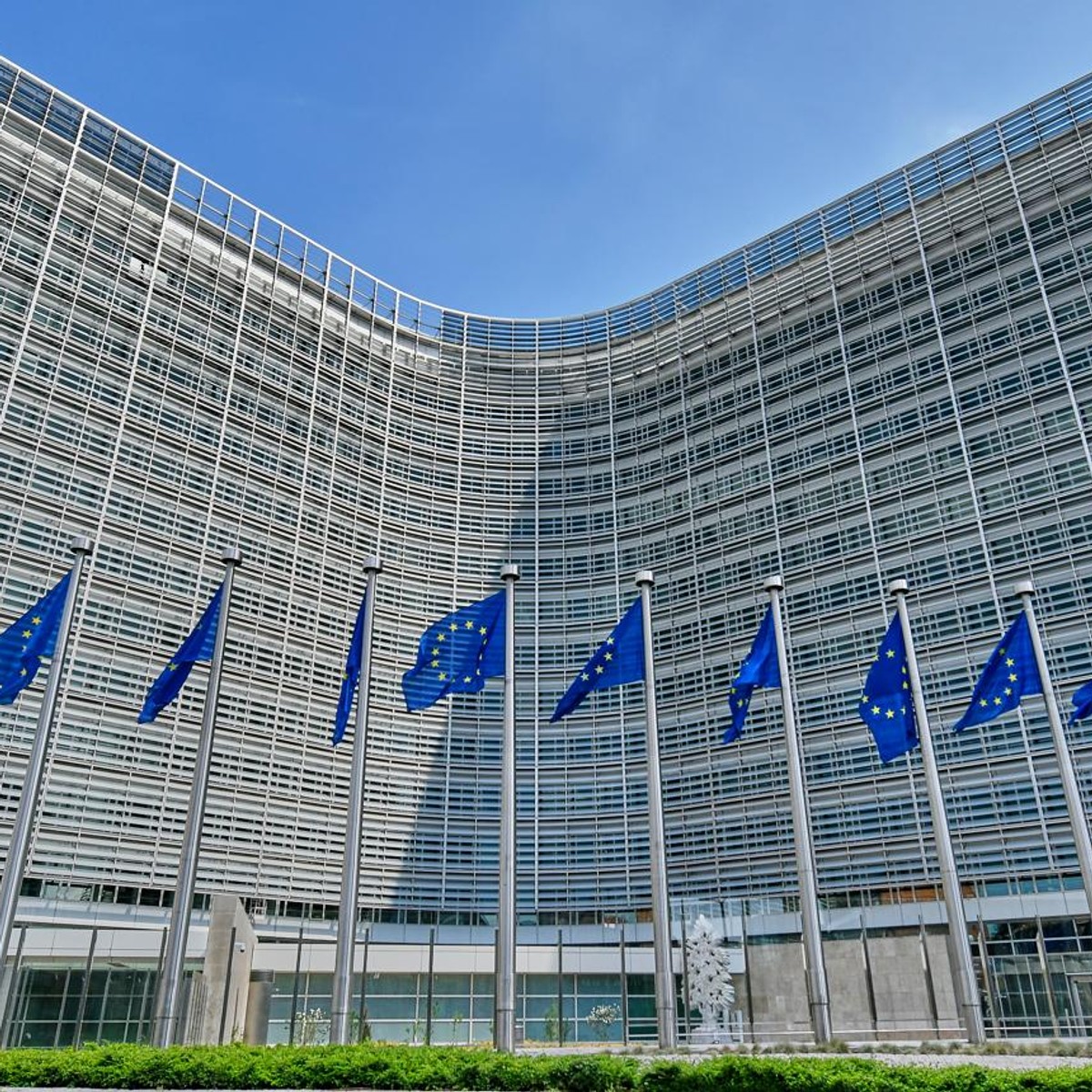
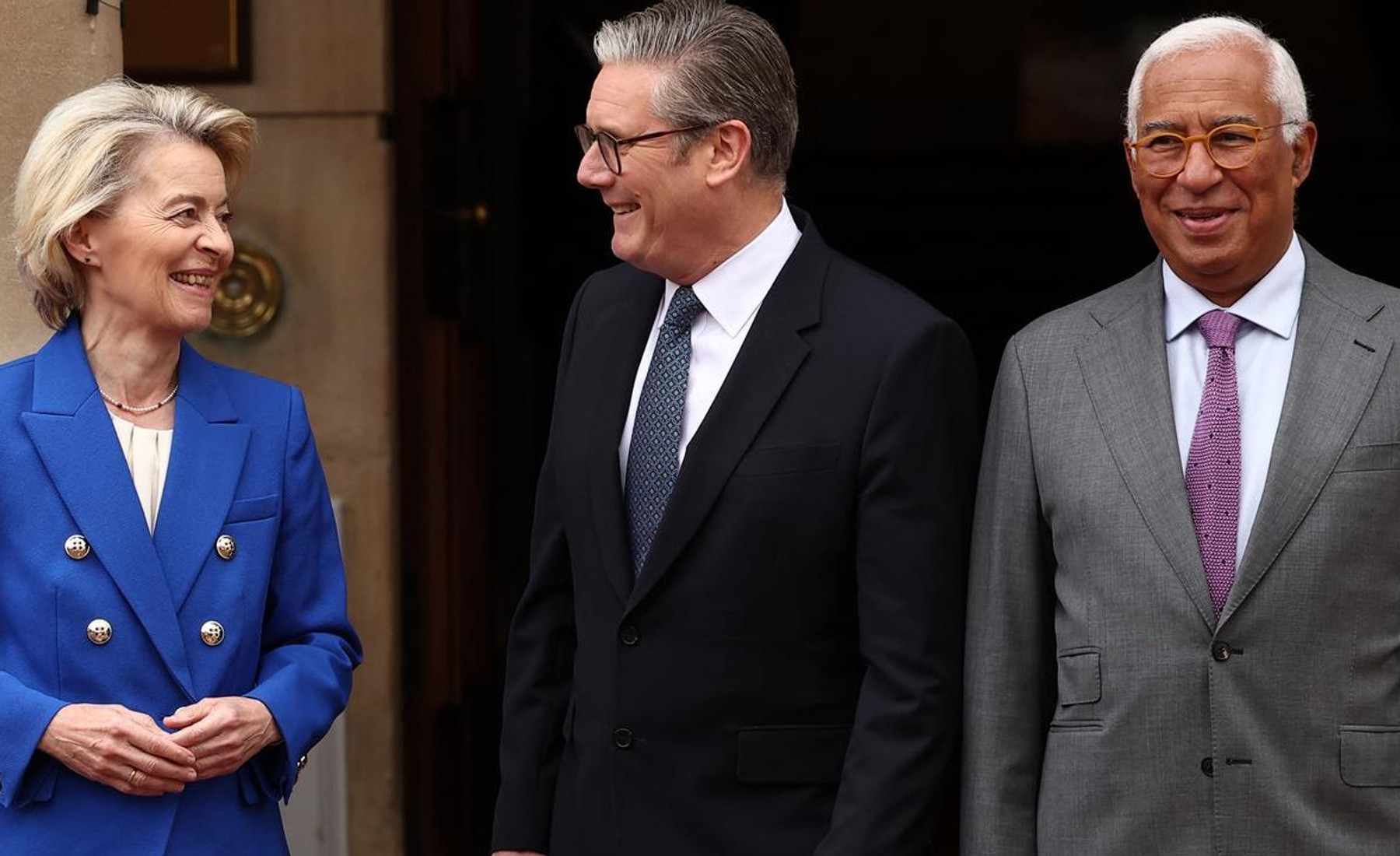
The measures were announced on Friday, 20 November, following talks in Brussels between British Prime Minister Andy Burnham, European Commission President Ursula von der Leyen and European Council President António Costa.
The agreement covers three major areas: reducing barriers to food and agricultural trade, linking emissions trading systems and creating new opportunities for young people to live, work and study across the UK and EU.
Under the proposed food trade arrangements, many existing certificates and border checks on animal and plant products would be removed. British officials estimate the changes could provide an annual economic benefit of approximately £5.1 billion.
The two sides also agreed to connect their carbon emissions trading systems, potentially reducing additional charges faced by businesses exporting products such as steel.
Another central element is a reciprocal youth mobility arrangement. The scheme would allow up to 100,000 participants from each side to spend as long as three years living, working or studying in the other's territory, subject to the final arrangements.
The measures represent a further effort to rebuild relations following Britain's withdrawal from the European Union in 2020.
However, important disagreements remain unresolved.
One concerns university tuition fees for EU students studying in Britain. European negotiators have pushed for fees closer to those paid by domestic students, while the British government has resisted extending identical treatment.
Both sides are expected to continue negotiations on that issue over the coming months.
Questions also remain about how closely Britain will align with European trade regulations and whether British manufacturers will gain access to certain EU industrial programmes.
The agreement has attracted differing political reactions. Supporters argue that closer cooperation could reduce costs for businesses and households, while critics have raised concerns about Britain accepting European rules without having a vote in their development.
The summit also addressed wider security cooperation, including the war in Ukraine and shared European defence priorities.
Although the agreement does not signal an immediate return to EU membership, it represents a substantial step towards closer practical cooperation.
For businesses, students and young professionals, its eventual impact will depend on how the measures are implemented and whether outstanding negotiations are resolved.