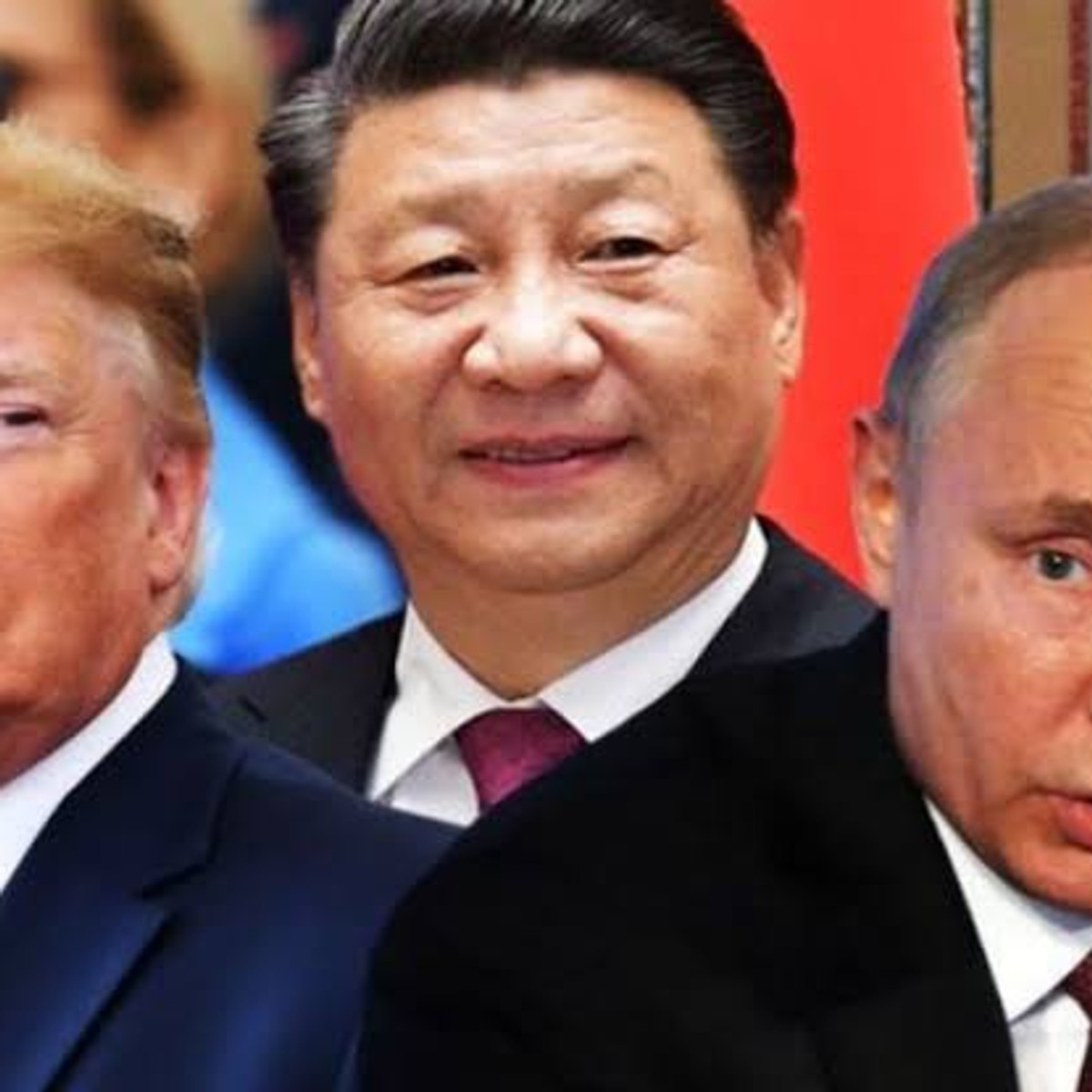
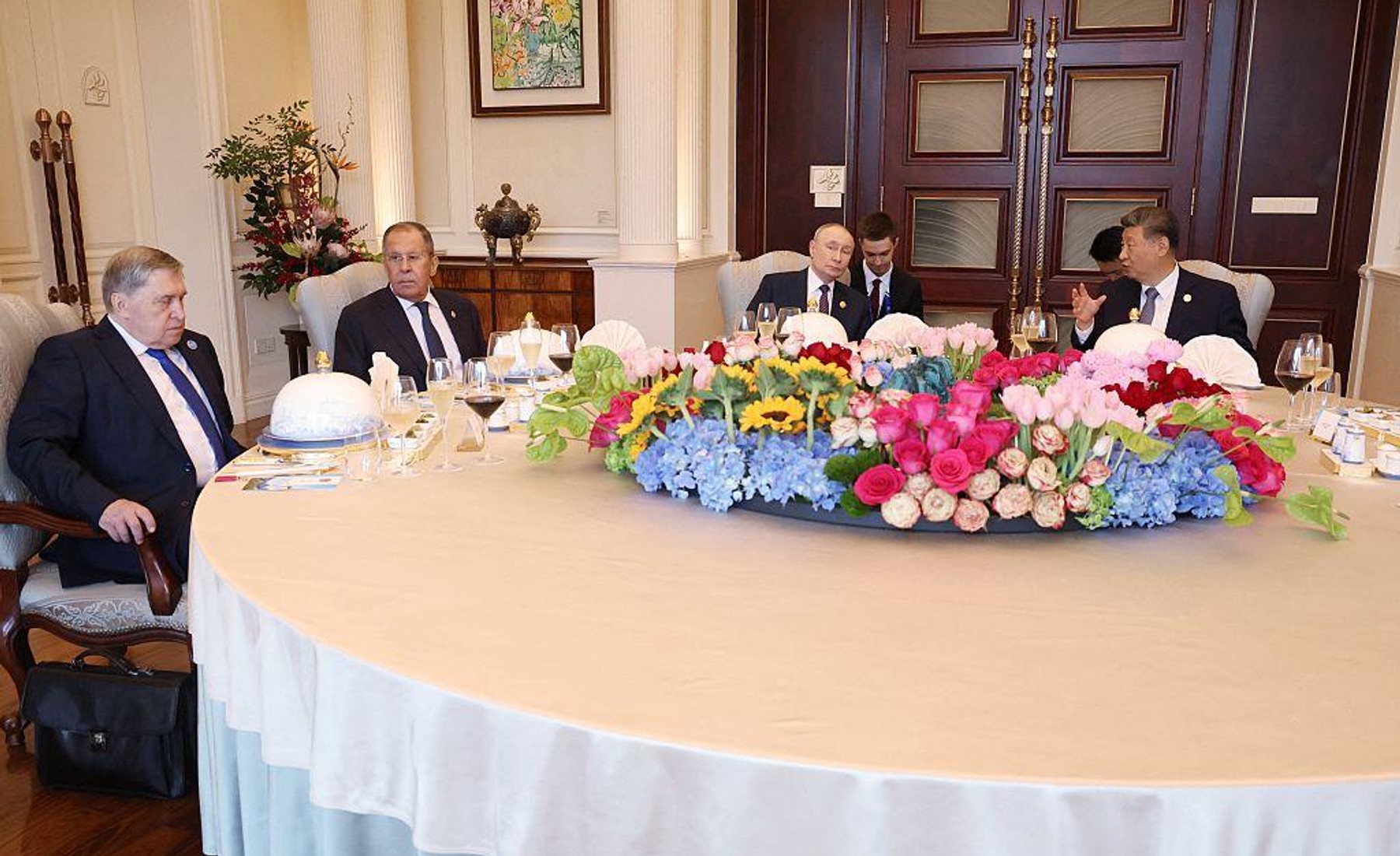
The leaders of the United States, China and Russia have concluded an unprecedented three-way summit in Shenzhen, issuing a joint declaration calling for reduced nuclear risks and changes to international institutions, but announcing no concrete breakthrough on major conflicts.
US President Donald Trump, Chinese President Xi Jinping and Russian President Vladimir Putin met on Thursday, 19 November, on the sidelines of the Asia-Pacific Economic Cooperation summit. Their discussions lasted approximately 90 minutes and addressed nuclear security, energy supplies and international diplomacy.
The leaders endorsed dialogue aimed at preventing nuclear proliferation and reducing the possibility of nuclear conflict. Their declaration also supported reform of the United Nations, greater stability in energy supplies and limits on what they characterised as excessive intervention by international courts.
The language surrounding international justice was particularly significant. Trump criticised the International Criminal Court, while Putin remains the subject of an ICC arrest warrant relating to the alleged unlawful deportation and transfer of Ukrainian children. Russia rejects the court's jurisdiction over the case.
Despite the declaration's broad diplomatic ambitions, the meeting produced no announced arms-control treaty, timetable for negotiations or settlement of Russia's war in Ukraine. Nor did the leaders present a detailed agreement addressing the conflict involving Iran.
Xi called for cooperation among major powers and renewed efforts towards nuclear disarmament. Trump described dialogue with rival powers as an opportunity to reduce international tensions, while Putin welcomed the meeting as a useful diplomatic format.
The gathering also highlighted China's growing role as a venue for high-level international diplomacy. Shenzhen hosted the meeting at a time of disagreements over trade, artificial intelligence, military security and the future of international institutions.
For governments outside the three powers, the summit raises questions about how decisions affecting global security may be shaped by direct negotiations among Washington, Beijing and Moscow.
The declaration represents a significant diplomatic statement, but its practical importance will depend on whether the three governments translate their commitments into negotiations and measurable agreements.