Nigeria has completed the monitoring of 62 people identified as contacts of an imported Ebola patient, with no secondary infections detected, according to the Nigeria Centre for Disease Control and Prevention.
The agency announced the development on Friday, November 13, following the conclusion of the 21-day observation period for the last remaining contacts.
The monitoring programme began after Nigeria confirmed a case of Ebola disease caused by the Bundibugyo virus in Abuja on October 20.
The patient, a Swiss woman who had previously travelled to Uganda, developed symptoms after arriving in Nigeria and subsequently received medical attention in the Federal Capital Territory.
She and her husband were later evacuated to Switzerland, where she recovered and was discharged from hospital.
NCDC said none of the 62 identified contacts developed Ebola during their monitoring periods.
Thirteen contacts reported fever or other non-specific symptoms, but subsequent laboratory tests were negative for the virus.
The agency also investigated seven Ebola alerts reported across five Nigerian states during the preceding three weeks. All seven tested negative.
The outcome represents an important development for Nigeria's public-health authorities, which activated emergency response measures after the imported infection was confirmed.
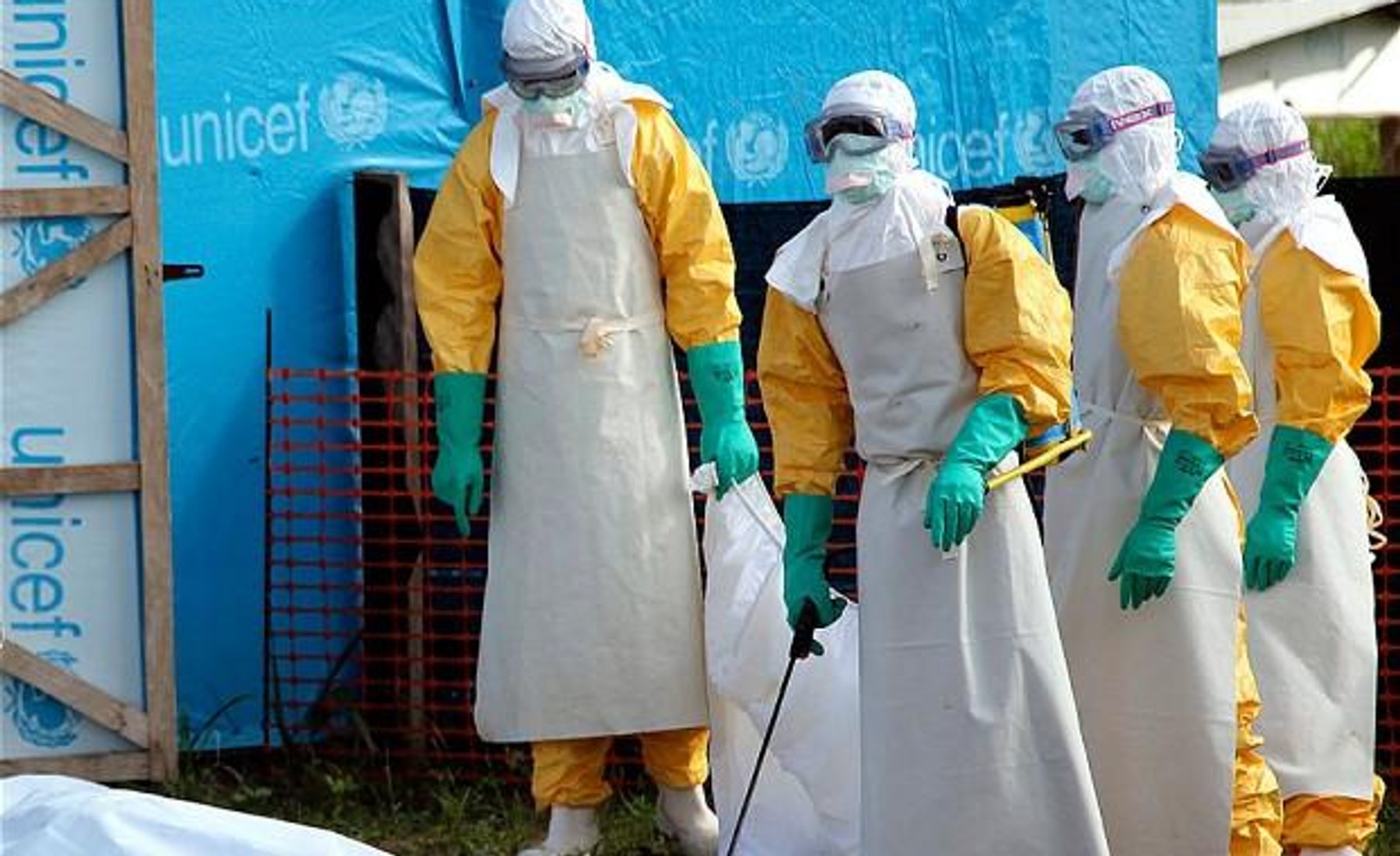
Contact tracing, laboratory testing, infection prevention and surveillance at points of entry formed part of the response.
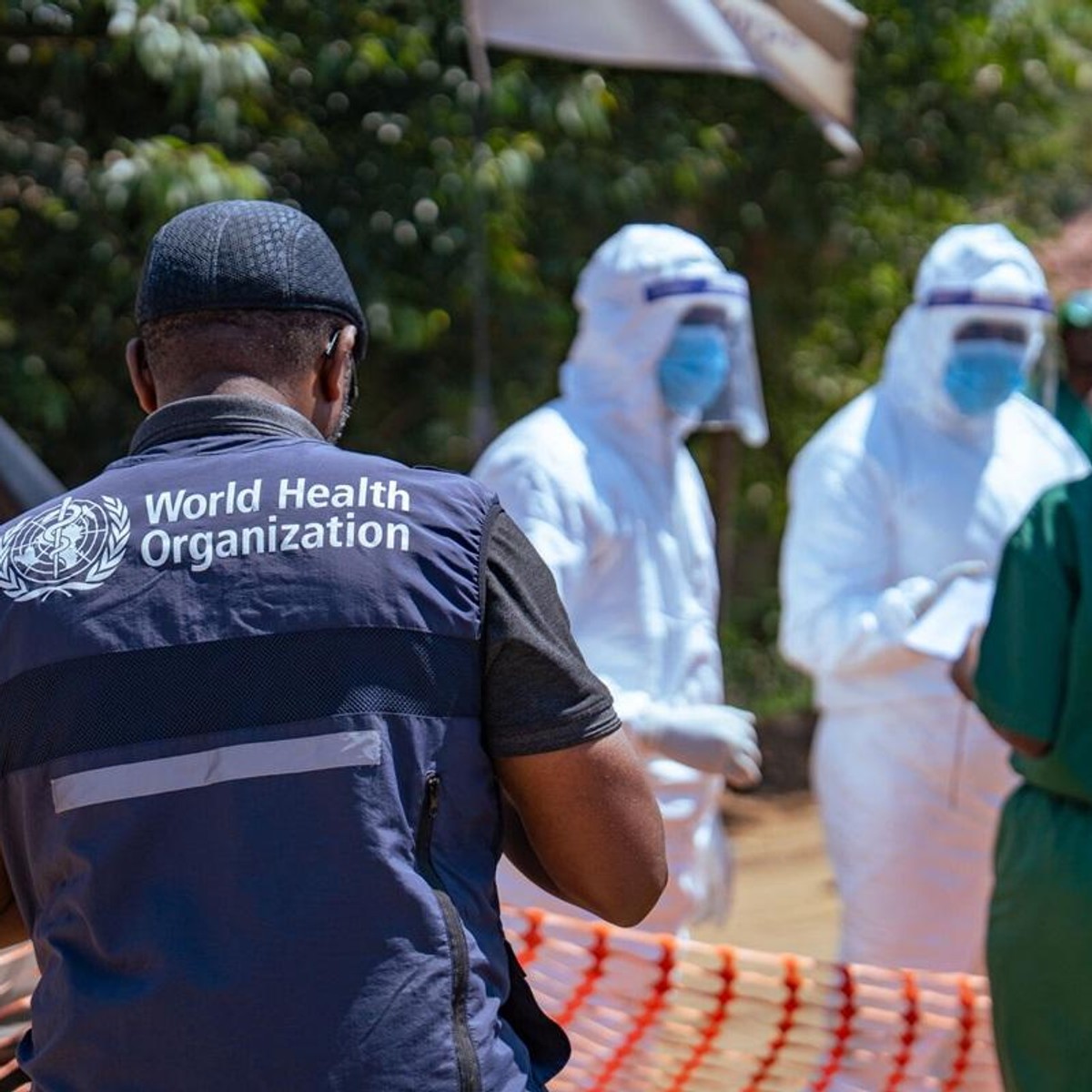
The World Health Organization had previously confirmed Nigeria's imported case and documented the identification of 62 contacts as of November 3.
Its earlier assessment noted that Nigerian authorities were working with international partners to strengthen case investigation, healthcare worker protection and preparedness.
Despite the completion of contact monitoring, health authorities have cautioned that the milestone does not automatically mean the outbreak has ended.
Under the applicable outbreak protocol, a further 42-day period is required before an official end-of-outbreak declaration can be considered.
Nigeria's response comes amid a wider Ebola outbreak affecting parts of Africa, where health agencies continue to confront difficult operating conditions, insecurity and challenges in reaching remote communities.
The Bundibugyo virus is a rare cause of Ebola disease and presents significant risks because of its potential severity and the limited availability of approved medical countermeasures.
Nigeria's latest monitoring results suggest that no onward transmission occurred among the identified contacts of the imported case.
However, continued surveillance remains necessary, particularly at international entry points and within healthcare facilities.
The NCDC has advised the public to report suspected exposure or symptoms through official health channels rather than relying on unverified information.
The agency's latest announcement marks progress in containing the imported infection while national and international health authorities continue monitoring the wider regional outbreak.