Israel's new parliament was sworn in on Tuesday as opposition leader Gadi Eisenkot intensified efforts to form a government that could bring an end to Benjamin Netanyahu's lengthy tenure as prime minister.
The inauguration of the 26th Knesset follows the country's 27 October general election, which left Netanyahu's political alliance without a parliamentary majority but failed to produce a clear governing coalition for his opponents.
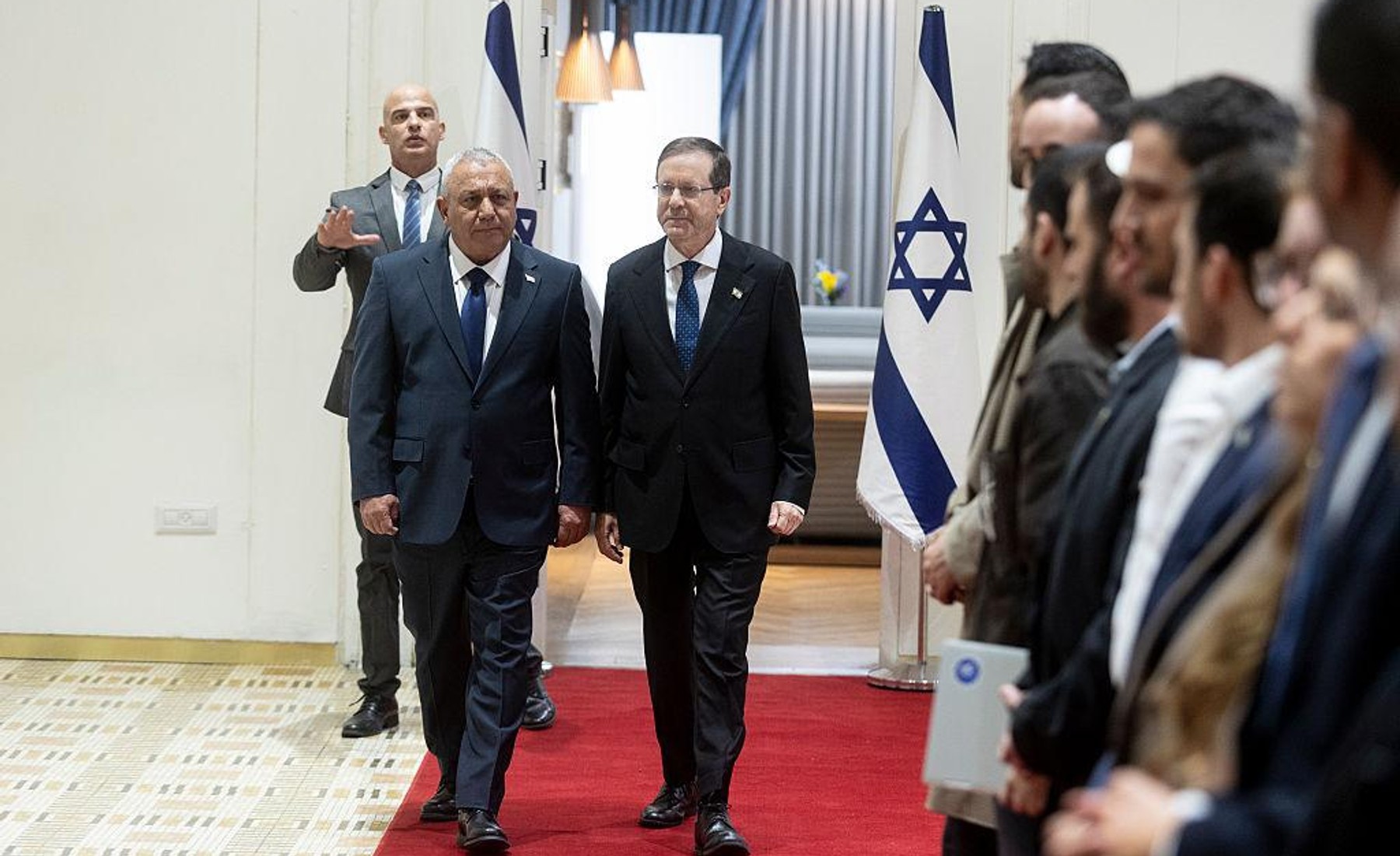
Eisenkot, a former military chief and leader of the Yashar party, was formally tasked by President Isaac Herzog on Sunday with assembling a government.
He has an initial 28 days to secure the support required to govern, with a possible 14-day extension.
Although parties opposed to Netanyahu collectively control a majority of parliamentary seats, disagreements over political alliances have complicated efforts to establish a coalition.
Eisenkot's core bloc does not command the 61 seats required in Israel's 120-member parliament, making negotiations with additional parties essential.
The role of Arab-led political parties has emerged as a particularly sensitive issue. Their parliamentary support could help Eisenkot secure a majority, but some of his potential coalition partners oppose relying on them to form a government.
During Tuesday's ceremony, President Herzog urged lawmakers to pursue compromise and avoid another election.
Eisenkot used the opening of parliament to outline plans to reverse several policies introduced under Netanyahu's government.
His party submitted legislative proposals seeking an independent state inquiry into the security and intelligence failures surrounding the Hamas-led attacks of 7 October 2023.
Other proposals include limiting prime ministerial terms and reversing controversial changes to Israel's judicial system.
The opposition also moved to replace Knesset Speaker Amir Ohana, a Netanyahu ally, with former minister Matan Kahana.
Control of the parliamentary speakership could prove significant because the speaker influences the legislative agenda and parliamentary proceedings.
Netanyahu, meanwhile, remains in office as caretaker prime minister and continues to exercise executive authority until a new government is formed.
Speaking after the inauguration, he called for a national unity government and argued that Israel must remain focused on security threats, particularly those involving Iran.
Eisenkot rejected Netanyahu's approach, accusing him of deepening political divisions at a moment when the country requires a new direction.
The dispute reflects the wider uncertainty surrounding Israel's political future following years of domestic controversy and regional conflict.
The new parliament may begin advancing legislation even before a permanent government takes office, although passing proposed measures will depend on securing sufficient support.
Should Eisenkot fail to assemble a coalition, Herzog could offer Netanyahu an opportunity to form a government. Continued failure could ultimately lead to another general election.
For now, Israel enters a new parliamentary term with an opposition majority, a caretaker prime minister and no settled governing coalition.
The coming weeks will determine whether Eisenkot can translate parliamentary support into a functioning government or whether the political deadlock will continue.