A Chinese university with close links to the country's defence establishment has purchased advanced artificial intelligence processors made by Nvidia despite being subject to United States export restrictions, according to procurement records reviewed by Reuters.
Northwestern Polytechnical University, based in Xi'an, acquired two Nvidia H200 processors in October through a domestic Chinese supplier, the investigation published on Wednesday, 11 November, found.
The purchase was valued at 874,700 yuan, approximately $123,000, and was made through Shaanxi Bosuan Network Technology rather than directly from Nvidia.
The university is among China's leading defence-focused research institutions and conducts work associated with military aircraft, missiles and satellite technology.
It has been on the US Commerce Department's Entity List since 2001, a designation that places significant restrictions on access to American technology.
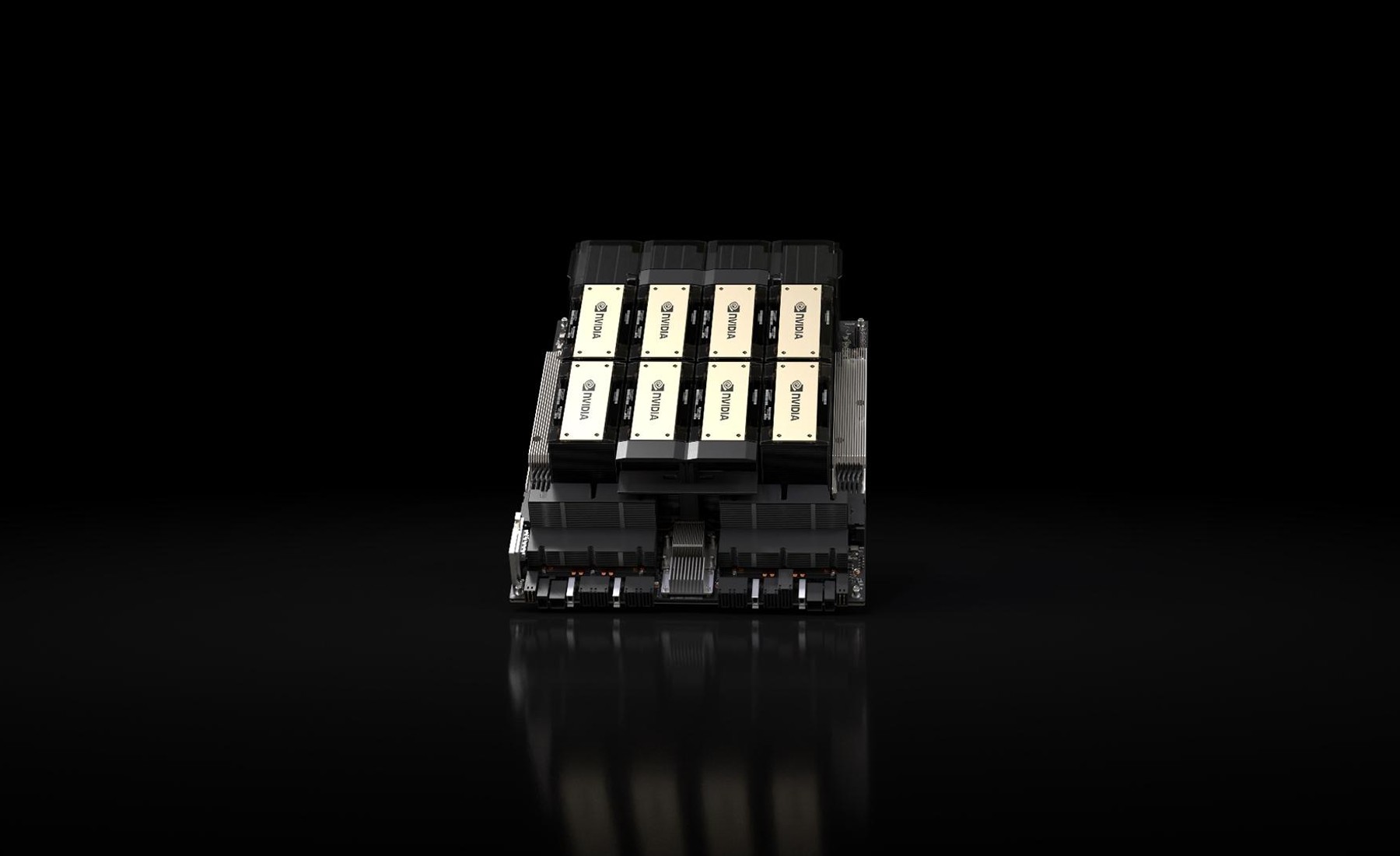
The Nvidia H200 is a powerful processor used to train and operate advanced artificial intelligence systems. Its export to China is subject to American licensing requirements, with additional restrictions applying to blacklisted organisations.
Reuters examined 26 Chinese procurement and corporate records showing that several universities and research institutions had purchased restricted Nvidia processors or obtained access to computing services powered by the equipment.
At Northwestern Polytechnical University, the records identified more than an outright hardware purchase.
The university also awarded contracts during 2026 for access to servers containing Nvidia H200 processors and other restricted chips, including the A100 and A800.
Two contracts issued by its cybersecurity school in January provided access to servers equipped with eight H200 processors each. The arrangements were intended for artificial intelligence model training and related computational work.
The findings suggest that institutions facing direct purchasing restrictions may still be able to obtain advanced computing capacity through domestic suppliers and third-party service providers.
The United States has imposed increasingly stringent controls on the export of advanced semiconductors to China, citing concerns that the technology could support military modernisation and sophisticated AI development.
Although Washington introduced provisions in January allowing certain H200 exports to China to be considered individually, those changes did not remove the separate restrictions applying to organisations on the Entity List.
The university's procurement records therefore raise questions about how effectively the restrictions can be enforced once advanced processors enter commercial distribution networks.
However, the records do not establish how the Chinese suppliers originally obtained the equipment, whether every listed processor was delivered or whether the technology was used for military purposes.
They also do not demonstrate that Nvidia directly supplied the blacklisted university or knowingly violated American export rules.
According to Reuters, Nvidia, Northwestern Polytechnical University and the US Commerce Department's Bureau of Industry and Security did not respond to requests for comment on the findings.
The investigation comes at a sensitive moment for Nvidia, whose processors have become central to the global expansion of artificial intelligence infrastructure.
The company has advocated broader access to the Chinese market while American lawmakers continue to scrutinise the potential national security implications of exporting advanced AI technology.
China remains a major market for computing equipment, although American restrictions have encouraged domestic semiconductor development and alternative supply arrangements.
The procurement findings are likely to intensify debate over whether export controls should focus solely on physical chip shipments or also address access to computing power through cloud and rental services.
For policymakers, the central question is whether restrictions designed to prevent sensitive institutions from obtaining advanced American technology can remain effective when purchases involve multiple intermediaries.
The Reuters investigation provides documentary evidence of procurement arrangements, but the origin, delivery and ultimate use of the processors remain important unresolved questions.