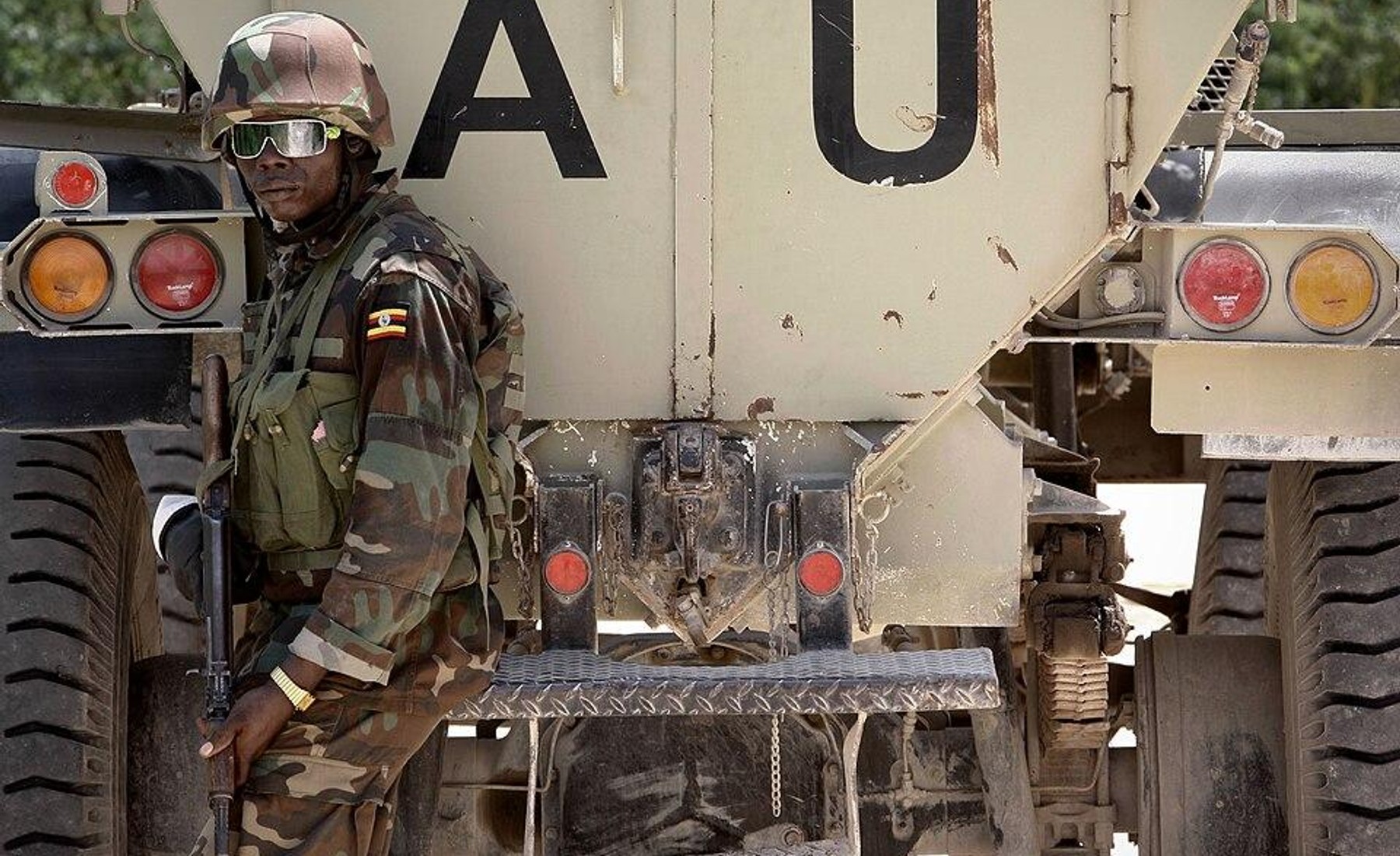
Uganda has begun withdrawing its troops from Somalia, marking the start of a major military transition after nearly two decades of involvement in African Union operations against the al-Qaeda-linked militant group al-Shabaab.
The Ugandan military confirmed on Monday, November 2, that the first contingent of returning soldiers had already arrived home.
The phased withdrawal is being carried out under a bilateral agreement with Somalia, according to military spokesman Colonel Chris Magezi.
Uganda expects to complete the withdrawal by the end of 2027.
The announcement represents a significant development for security in the Horn of Africa, where Ugandan troops have played a central role in international efforts to support Somalia's government and confront insurgent violence.
However, the withdrawal is not complete. Thousands of Ugandan personnel remain deployed, and the security consequences of their eventual departure remain uncertain.
First troops return to Uganda
Colonel Magezi confirmed that the initial group of soldiers had returned under the phased withdrawal arrangement.
He said the operation was being implemented in accordance with an agreement between Uganda and Somalia.
The military did not provide a complete public breakdown of the number of personnel who had returned in the first phase.
Magezi told the Associated Press that thousands of Ugandan soldiers remained in Somalia.
The withdrawal is expected to continue through 2027, although the precise timetable for individual units has not been publicly detailed.
The announcement confirms that the process has started, rather than merely being proposed.
Nearly two decades of deployment
Uganda first deployed troops to Somalia in 2007 as part of an African Union peacekeeping operation.
At the time, Somalia faced severe instability following years of civil war and the rise of armed Islamist groups.
Al-Shabaab controlled significant territory and maintained a strong presence in parts of Mogadishu.
Ugandan soldiers joined international operations intended to support Somalia's transitional authorities and restore security in the capital.
Over the following years, African Union forces helped push militants out of several important urban areas.
Uganda became one of the principal troop-contributing countries to the mission.
Its soldiers participated in military operations, security patrols and efforts to protect important government installations.
The deployment also involved substantial risks.
Ugandan personnel were killed and injured in attacks during the mission, although authorities have not provided a complete publicly verified casualty total covering the entire deployment.
African Union mission faces transition
Ugandan forces currently serve within the African Union Support and Stabilisation Mission in Somalia, known as AUSSOM.
The mission is part of a wider international effort to support Somali security institutions while responsibility gradually shifts to national forces.
Other African countries have also contributed personnel to operations in Somalia.
The planned Ugandan departure creates questions about the future distribution of responsibilities among Somali forces and remaining international contingents.
The withdrawal does not mean the entire African Union mission has ended.
Nor does it establish that all foreign troops are leaving Somalia.
Those distinctions are important because different countries and organisations operate under separate mandates and agreements.
Al-Shabaab remains a major threat
Al-Shabaab continues to conduct attacks against Somali government forces, civilians and international security personnel.
The militant group has maintained an insurgency despite years of military operations intended to weaken its capabilities.
Its activities have included bombings, raids and attacks on military positions.
Somali authorities have repeatedly sought to expand national control over territory previously held by militants.
Nevertheless, continuing attacks demonstrate that the country's security challenges remain substantial.
Uganda's withdrawal could increase pressure on Somali forces to assume additional responsibilities.
The extent of that pressure will depend on the pace of the drawdown, the readiness of Somali units and the arrangements made by other international partners.
There is not yet sufficient verified evidence to conclude that the withdrawal will automatically cause a deterioration in security.
Somalia's wider international transition
The Ugandan announcement coincides with another important institutional development.
The United Nations Transitional Assistance Mission in Somalia closed at the end of October after a succession of UN political missions spanning more than three decades.
Those missions had supported political reconciliation, governance and institution-building.
Somali authorities regard the closure as an indication of progress towards managing the country's affairs with greater national responsibility.
However, the end of the UN political mission does not mean all United Nations activities in Somalia have stopped.
Humanitarian agencies remain active, while separate arrangements continue to support security and logistical operations.
The two transitions reflect changing international involvement in Somalia, but they are not identical processes.
Political uncertainty complicates the transition
Somalia's security transition is taking place amid domestic political disagreements.
Opposition figures have raised concerns about the country's political arrangements and the legitimacy of continued presidential authority.
Analysts have also warned that institutional disputes could complicate efforts to coordinate security operations.
The Somali government has emphasised the importance of national ownership of security and political affairs.
A successful transition will depend on the ability of national institutions to maintain effective command, financing and cooperation.
The withdrawal of a major foreign military contingent makes those questions more urgent.
Regional implications
Somalia occupies a strategically important position in the Horn of Africa, with a long coastline near major international shipping routes.
Instability in the country can affect neighbouring states, regional trade and wider security cooperation.
Uganda's long deployment has been one of its most significant contributions to African Union security operations.
The decision to begin withdrawing troops could also influence discussions about the future funding and structure of regional peacekeeping missions.
For African governments, the development raises broader questions about how international security operations should transfer responsibility to national institutions.
The challenge is to achieve greater local control without creating opportunities for armed groups to regain territory.
What happens next
Uganda is expected to continue withdrawing troops in phases until the end of 2027.
The number of soldiers leaving during each stage and the security arrangements replacing them will be important indicators of the transition's progress.
Somali authorities and African Union partners will need to coordinate the handover of responsibilities.
International attention will also focus on whether Somali security forces can sustain operations against al-Shabaab as foreign troop numbers decline.
The November 2 announcement marks the beginning of the end of one of the African Union's longest-running national military contributions.
It is a significant moment for Uganda and Somalia, but the outcome will depend on how effectively the withdrawal is managed.
For now, the confirmed development is that the first Ugandan troops have returned home, while thousands remain deployed and the full withdrawal is scheduled to continue through 2027.