China has extended the suspension of export restrictions on several strategically important industrial materials until January 2027, offering temporary relief to manufacturers and technology companies as Beijing and Washington continue negotiations over their trade relationship.
The Ministry of Commerce and General Administration of Customs announced the decision on Monday, 9 November, extending the suspension of six export-control measures introduced in October 2025.
The renewed waiver will run from 11 November 2026 through 10 January 2027, allowing the existing suspension to continue without interruption.
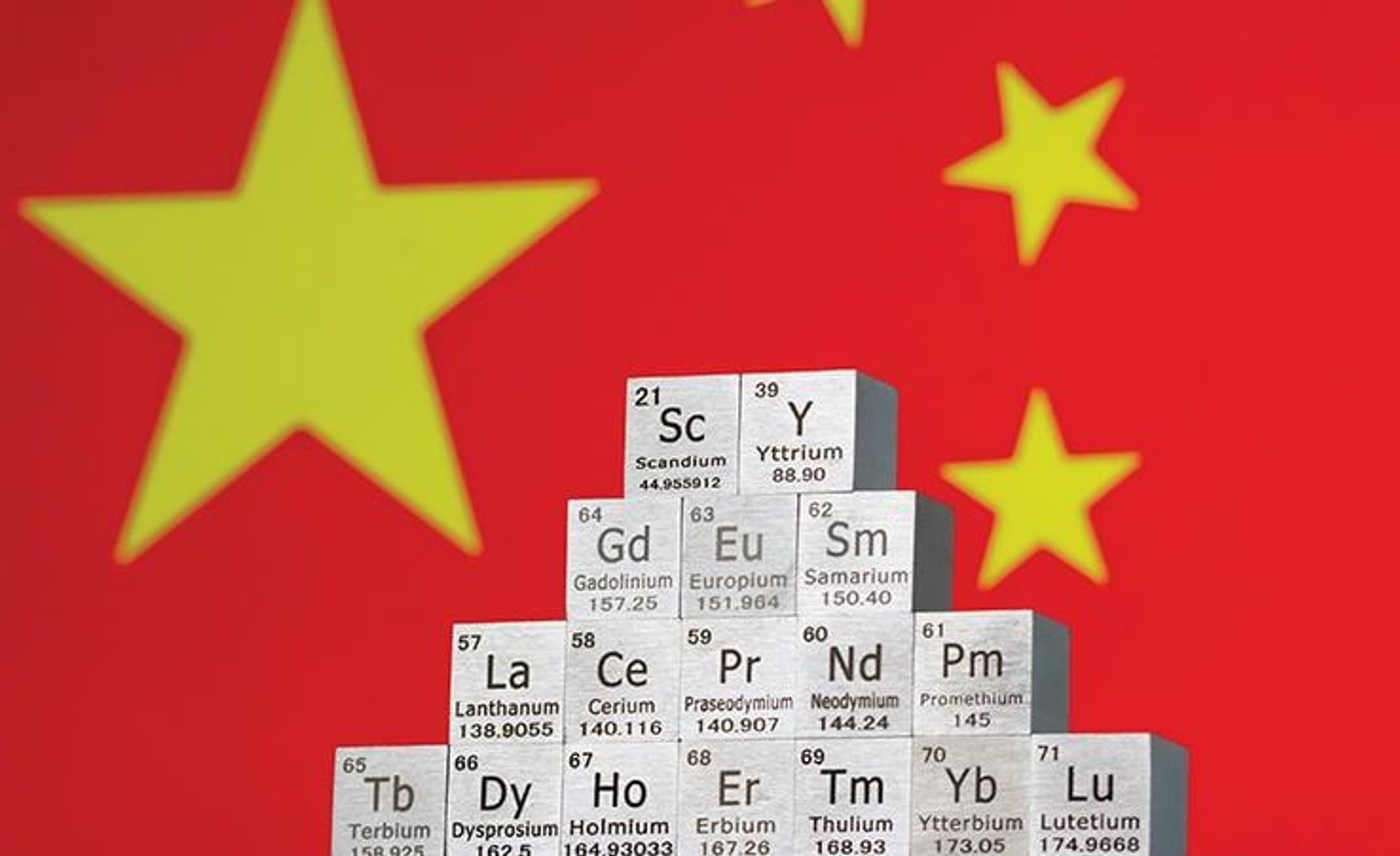
The measures cover certain rare-earth materials, equipment and technologies, alongside other industrial products including materials used in battery manufacturing.
China originally introduced additional export controls during a period of heightened trade tensions with the United States. The restrictions were subsequently suspended following negotiations between Presidents Xi Jinping and Donald Trump in November 2025.
The latest extension maintains part of that arrangement as the two governments seek a longer-term agreement on tariffs, export restrictions and other trade measures.
Rare earths are essential components in a wide range of modern technologies, including electric vehicles, wind turbines, electronic devices and advanced military equipment.
China's dominant position in the processing and supply of many rare-earth materials has made its export policies an important concern for manufacturers in the United States, Europe and Asia.
Restrictions on these materials can increase uncertainty for companies that depend on reliable international supplies, particularly in industries where replacing specialised components or suppliers can be difficult.
The decision also covers controls associated with certain industrial diamonds and lithium-battery technologies, reflecting the wider importance of advanced materials in international manufacturing.
Beijing's announcement was brief and did not provide additional details about the progress of negotiations with Washington or whether another extension could follow.
The move comes ahead of an expected meeting between Trump and Xi during the Asia-Pacific Economic Cooperation summit in Shenzhen later this month.
For international businesses, the extension provides additional time to plan purchases and production without the immediate reintroduction of the suspended measures.
However, the underlying restrictions have not been permanently withdrawn. Their future will depend on subsequent Chinese policy decisions and the outcome of continuing trade negotiations.
The development highlights the growing importance of critical minerals and advanced industrial materials in economic diplomacy, particularly as governments seek to strengthen domestic manufacturing and reduce dependence on concentrated supply chains.