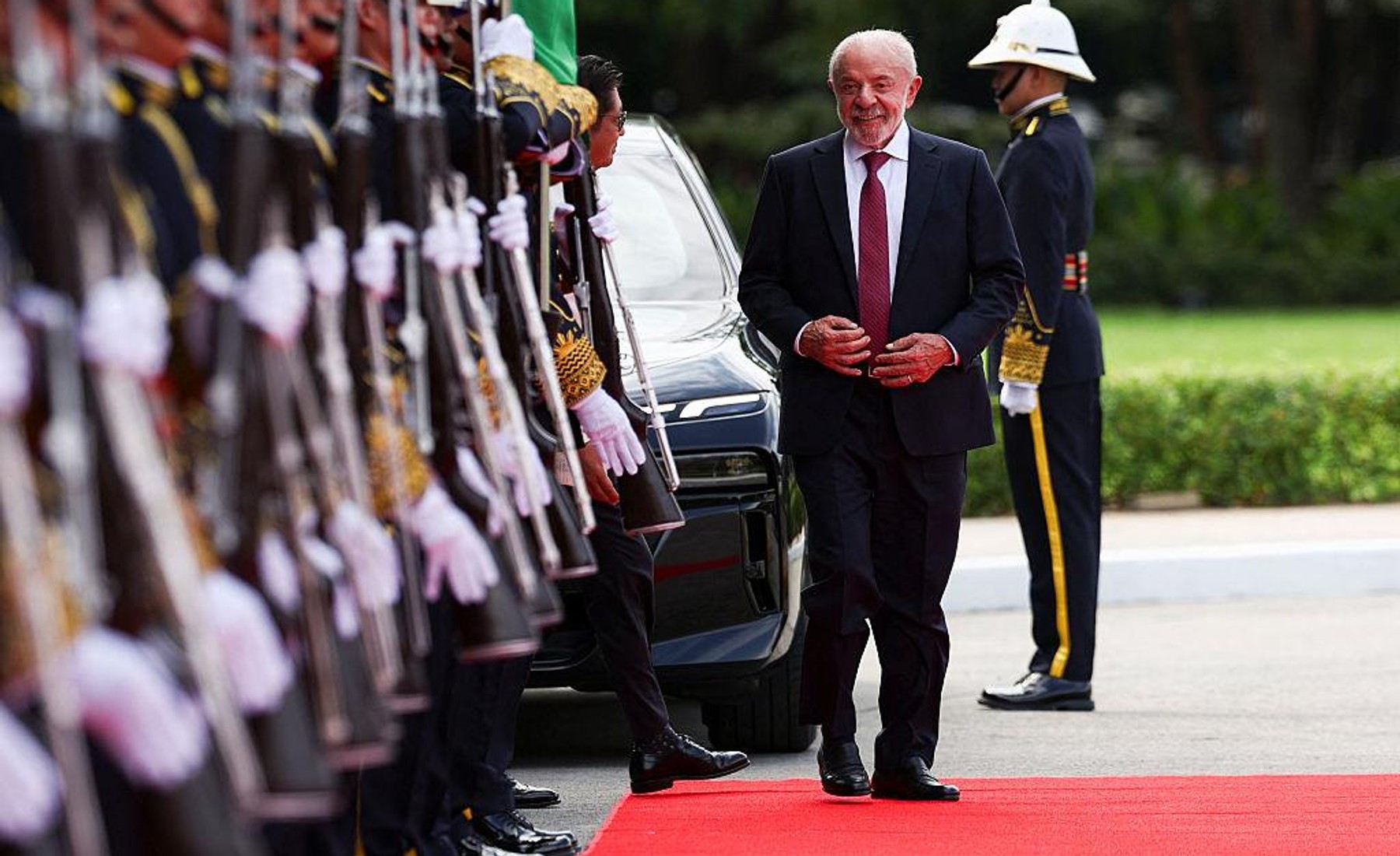
Brazil and the Philippines have agreed to expand agricultural cooperation following talks between Presidents Luiz Inácio Lula da Silva and Ferdinand Marcos Jr. in Manila on Saturday, November 14.
The agreement was signed during Lula's visit to the Philippines, where he is also attending activities connected to the Association of Southeast Asian Nations summit.
The two governments said the partnership would support agricultural technology exchanges, livestock production, animal health and efforts to strengthen food security.
Under the arrangement, agricultural specialists, veterinarians and other professionals are expected to benefit from technical exchanges and capacity-building programmes.
The countries are also exploring opportunities in agribusiness, agricultural supply chains and climate-resilient farming.
Brazilian government reporting said the discussions extended to renewable energy cooperation, reflecting both countries' interest in diversifying energy supplies and developing cleaner technologies.
Lula's visit comes as Brazil seeks stronger commercial relationships across Southeast Asia.
Brazil and the Philippines currently conduct approximately $3 billion in bilateral trade, according to Brazilian government figures. Agricultural products, including meat and corn, are an important part of those exchanges.
The visit also carries diplomatic significance, marking the first visit by a sitting Brazilian president to the Philippines during the 80th anniversary year of diplomatic relations between the countries.
Both governments have emphasised cooperation on food security, climate resilience and trade as areas where their economies could develop closer ties.
Although the agreement establishes a framework for collaboration, the governments have not announced a comprehensive implementation budget or timetable for individual projects.
The partnership represents another step in Brazil's efforts to deepen economic engagement with Asia while giving the Philippines access to agricultural expertise from one of the world's largest food producers.