Nigeria has formally ratified the United Nations High Seas Treaty, strengthening its participation in international ocean governance and creating opportunities for the development of its marine economy.
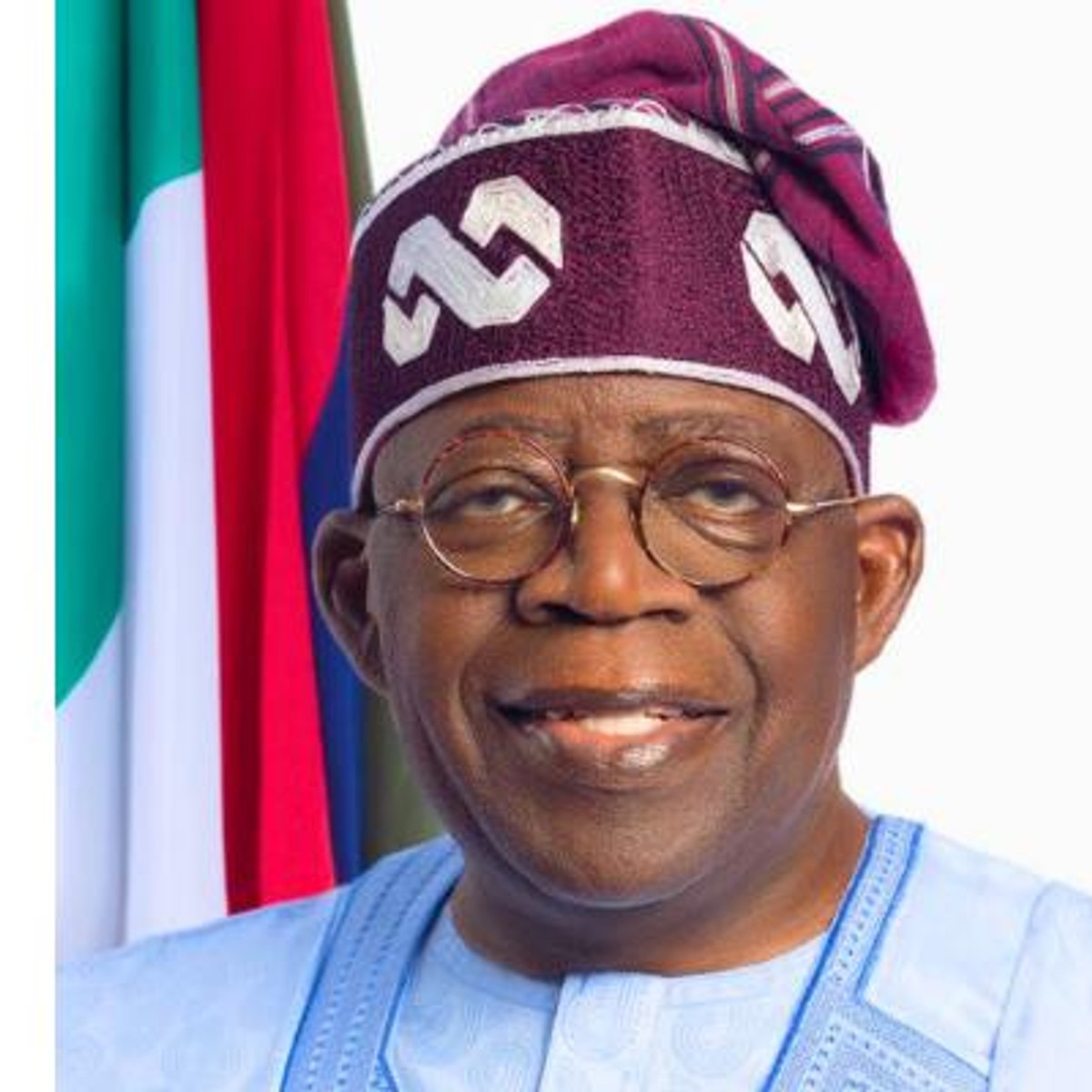
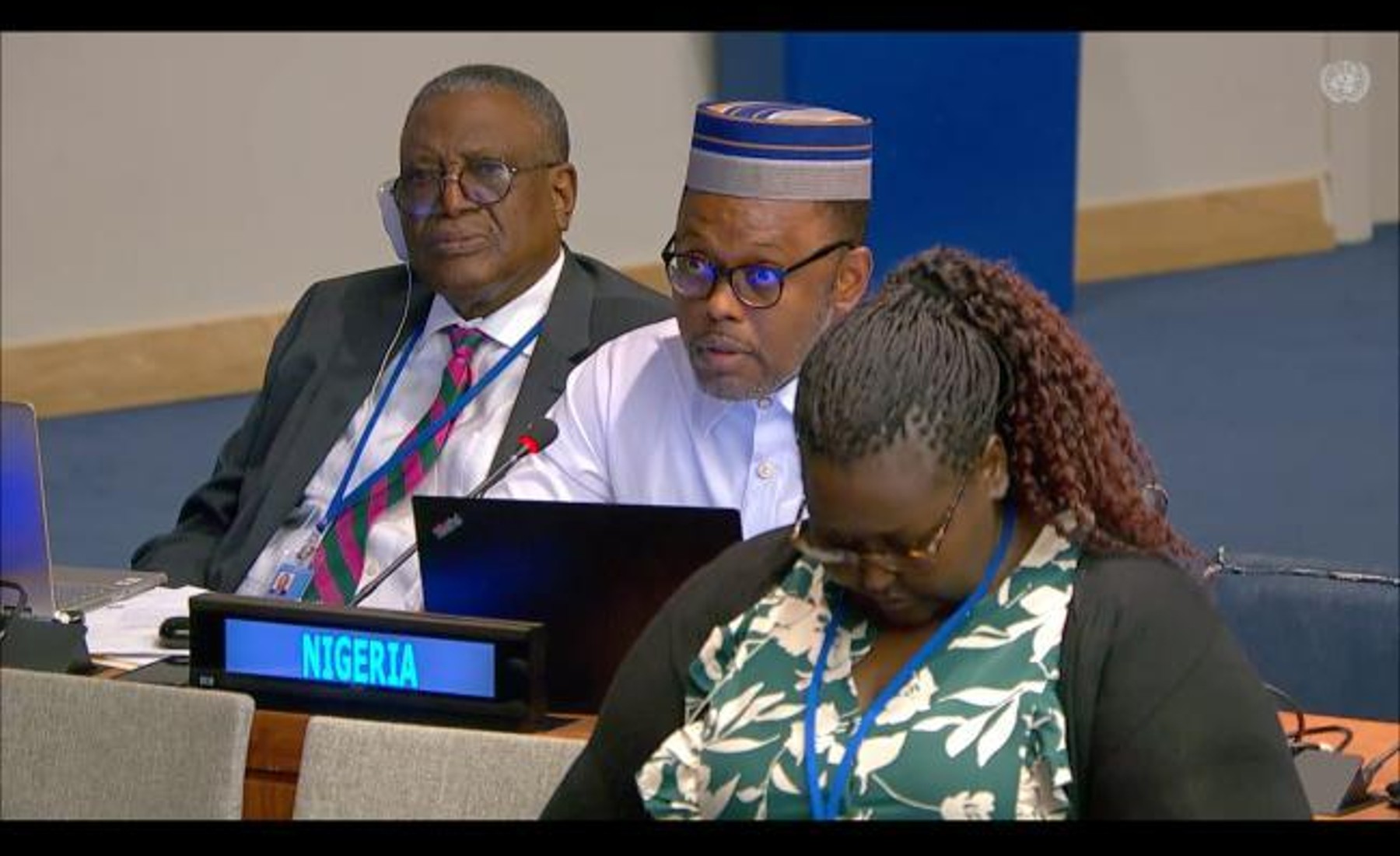
Nigeria’s Permanent Representative to the United Nations, Ambassador Jimoh Ibrahim, deposited the instrument of ratification at the UN headquarters in New York on Tuesday, November 24, on behalf of President Bola Tinubu.
The treaty, formally known as the Biodiversity Beyond National Jurisdiction (BBNJ) Agreement, establishes an international framework for protecting marine ecosystems beyond national boundaries and ensuring the sustainable use of ocean resources.
Nigeria became the 108th country reported to have ratified the agreement, which is scheduled to enter into force for the country on December 24, 2026.
Ibrahim said Nigeria would advocate greater access to marine research, technology and the economic benefits associated with ocean resources, particularly for developing countries.
The country is also working with other West African nations on a proposal to establish a protected marine area in international waters.
For Nigeria, whose coastline supports fisheries, shipping and other maritime industries, participation in the agreement could strengthen international research partnerships and sustainable economic development.
The ratification complements the government's broader efforts to develop its marine and blue economy through dedicated institutional and policy reforms.
The agreement does not extend Nigeria's territorial boundaries or grant automatic ownership of international ocean resources. Instead, it provides a framework for cooperation, conservation and equitable benefit-sharing.
Nigeria's participation marks an important step towards greater African representation in decisions concerning the management and protection of the world's oceans.